
Hockey is more than a sport in Minnesota; it is a language the state speaks all winter long. That lifelong connection is on full display for the world, given how well represented Minnesota is on the 2026 U.S. men’s Olympic hockey team.
Minnesota has embraced the “State of Hockey” identity for decades because the game is woven into everyday routines, from neighborhood ponds to packed NHL nights in Saint Paul. Long before kids dream of the Olympics or the NHL, they haul their skates and sticks to outdoor rinks after school and play until the lights go out or they get kicked off the ice.
Community-run associations and publicly-funded rinks make it easier for families to get their kids involved. Therefore, hockey is not just for elite travel teams but for whole towns and school districts. As a result, Minnesota consistently has one of the highest percentages of registered players relative to its population among U.S. states, feeding talent into high school, college, pro, and national teams year after year.
Minnesota’s unique community hockey model is a big reason the sport feels like a way of life instead of a luxury program. Local nonprofit associations run youth hockey, supported in part by charitable gambling and community rinks that are not designed to squeeze every dollar out of families, keeping costs more manageable and participation high.
The system emphasizes broad access, getting many kids on the ice, while still creating pathways such as Tier 1, fall elite leagues, and high-performance programs for those who rise to the top. That structure funnels into a high school scene treated as a major event, with storied programs and a state tournament that routinely packs an NHL arena and draws statewide TV audiences. When an entire state rallies around high school kids on that kind of stage, it reinforces hockey as a shared identity, not just a pastime.
The same ecosystem that fills those community rinks is now sending some of its best to Milano Cortina for the 2026 Winter Olympics. There are four Minnesota-born players on the U.S. men’s hockey team: defenseman Brock Faber from Maple Grove, forward Jake Guentzel from Woodbury, forward Brock Nelson from Warroad, and goaltender Jake Oettinger from Lakeville.
Faber, a Minnesota Wild blueliner and former Gopher, returns to the Olympics with previous international experience and is expected to play major minutes on the U.S. blue line. Oettinger heads to Italy as one of the top American goalies in the world, carrying the calm presence he honed from youth hockey in Lakeville to Boston University and then into the NHL. Guentzel and Nelson are proven NHL scorers and give Team USA a distinctly Minnesota flavor up front, combining small-town roots with big-game scoring touch.
Beyond its birthplace, Minnesota has connections across the team, with current and former Wild players. The U.S. roster features Minnesota Wild forward Matt Boldy and defenseman Quinn Hughes, who, together with Faber, give Team USA a strong core that skates every night in St. Paul during the NHL season.
When you add them to Guentzel, Nelson, and Oettinger, you have a group that has either grown up in Minnesota, played for the Wild, or both. That’s exactly what you would expect from the State of Hockey on the sport’s biggest international stage. Local coverage has emphasized that the men’s team is filled with talent from Minnesota, reflecting how normal it has become for Minnesotans to see familiar names in Olympic lineups.
Minnesota’s Olympic presence in men’s hockey is not a one-off spike; it’s the result of a broad talent pipeline that keeps producing. Recent reporting notes that Minnesota has 24 residents on Team USA across all sports and 37 athletes with meaningful ties to the state at the 2026 Games, second only to Colorado in total representation.
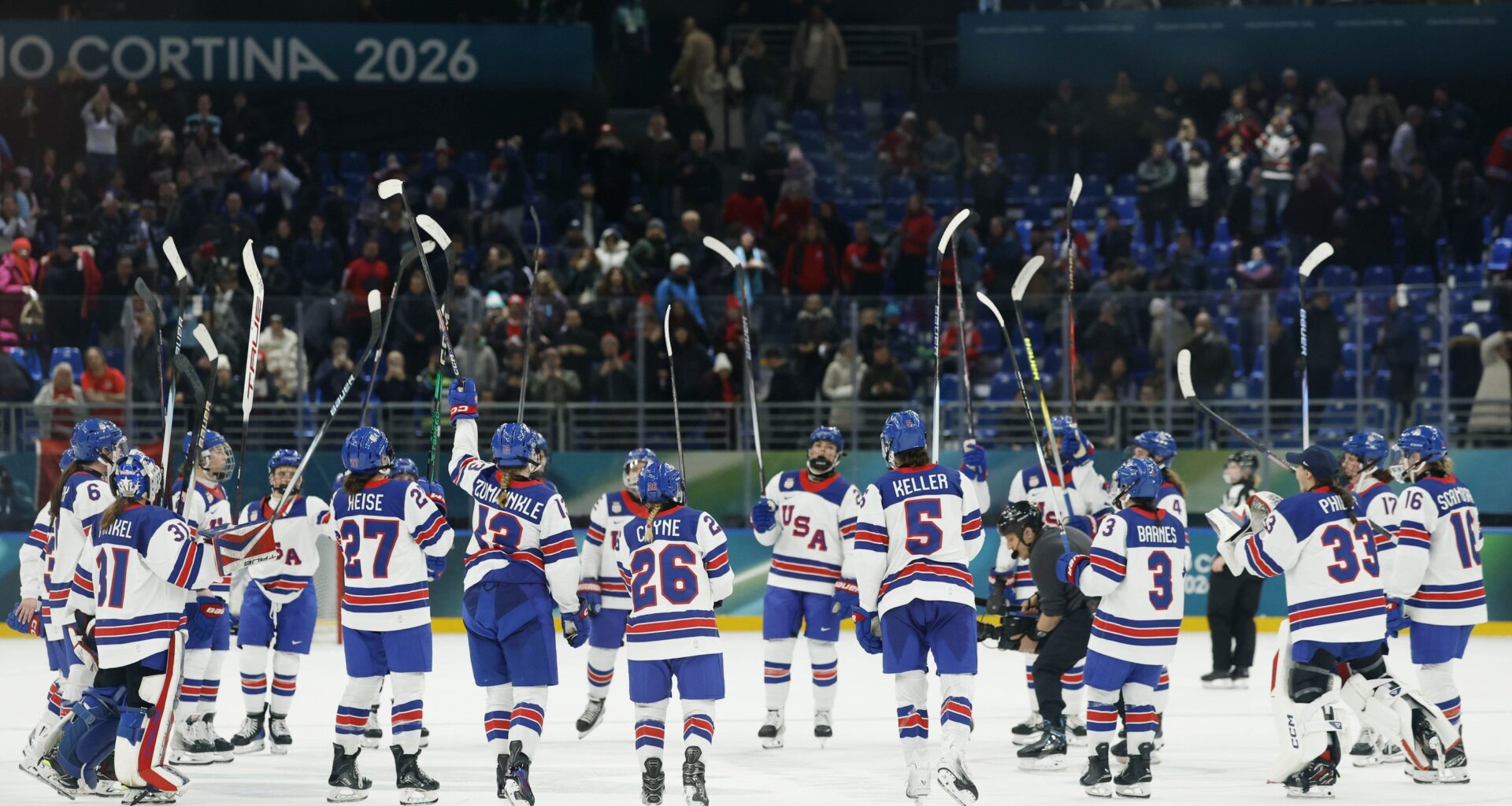
That group includes stars from the women’s hockey team and even sled hockey players with Minnesota ties, underscoring that the state’s hockey culture lifts all levels of the sport. When you connect those Olympic rosters back to youth associations, high school programs, and college powerhouses in the state, it becomes clear that hockey in Minnesota is a full life cycle, from mites on the outdoor rinks to pros wearing USA across their chests.
In 2026, as the U.S. men chase gold in Italy, Minnesota will not just be watching; it will be watching its own.
Think you could write a story like this? Hockey Wilderness wants you to develop your voice, find an audience, and we’ll pay you to do it. Just fill out this form.