
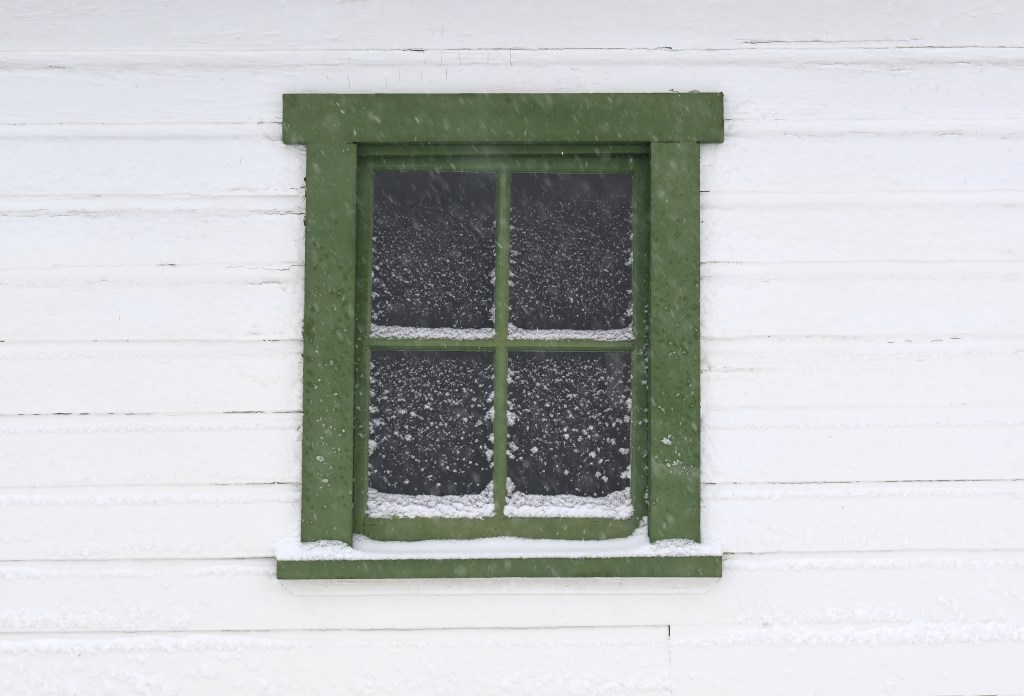
A snowstorm that started Monday evening in Colorado’s mountains is expected to drop more than a foot of snow on most mountain passes, and more than 2 feet on the state’s tallest summits, according to the National Weather Service.
The winter weather will create dangerous avalanche conditions for backcountry explorers, and is expected to disrupt travel on mountain roads and highways, including Interstate 70, forecasters said.
“Travel on I-70 through the mountains will rapidly deteriorate after 6 a.m. as strong winds and snow spread eastward across Colorado’s mountains,” weather service forecasters said Tuesday morning.
According to weather service forecasts, snowfall amounts expected to accumulate between 5 a.m. Tuesday and 5 a.m. Friday included:
1 inch in Conifer and Bailey, with up to 2 inches possible
6 inches in Eldora, with up to 7 inches possible
7 inches in Winter Park and Breckenridge, with up to 9 inches possible
9 inches on U.S. 40’s Berthoud Pass near Winter Park, with up to 13 inches possible
11 inches on U.S. 6’s Loveland Pass and U.S. 40’s Muddy Pass near Kremmling, with up to 14 inches possible
12 inches on Colorado 125’s Willow Creek Pass near Granby, Interstate 70’s Vail Pass and Colorado 9’s Hoosier Pass near Breckenridge, with up to 15 inches possible
14 inches on Colorado 14’s Cameron Pass near Fort Collins, with up to 17 inches possible
15 inches on U.S. 34’s Milner Pass in Rocky Mountain National Park, with up to 18 inches possible
18 inches at Bear Lake in RMNP, with up to 21 inches possible
32 inches on Mount Zirkel, the highest summit in Colorado’s Park Range of the Rocky Mountains, with up to 38 inches possible
A winter weather advisory will be in effect for Park, Grand and Summit counties — including Rocky Mountain National Park and the Medicine Bow, Mosquito and Indian Peaks mountain ranges — until 11 p.m. Wednesday, according to the weather service.
Winter storm warnings will also be active until 5 a.m. Thursday for the Rabbit Ears Pass area in Jackson and Grand counties, the Elkhead and Park mountain ranges, the San Juan Mountains and the Flat Tops, Gore and Elk mountains, according to the weather service.
This week’s snowstorm will create “high” and “extreme” avalanche danger for several of Colorado’s mountain ranges, including the San Juan and Park ranges, forecasters said in an avalanche watch alert.
“The biggest storm of the season is bringing strong winds and feet of snow to an area with a very weak snowpack,” officials with the Colorado Avalanche Information Center stated in a separate alert. “You can easily trigger large and dangerous avalanches on most steep slopes. … Travel in avalanche terrain is not recommended.”
This is a developing story and may be updated.
Get more Colorado news by signing up for our daily Your Morning Dozen email newsletter.