
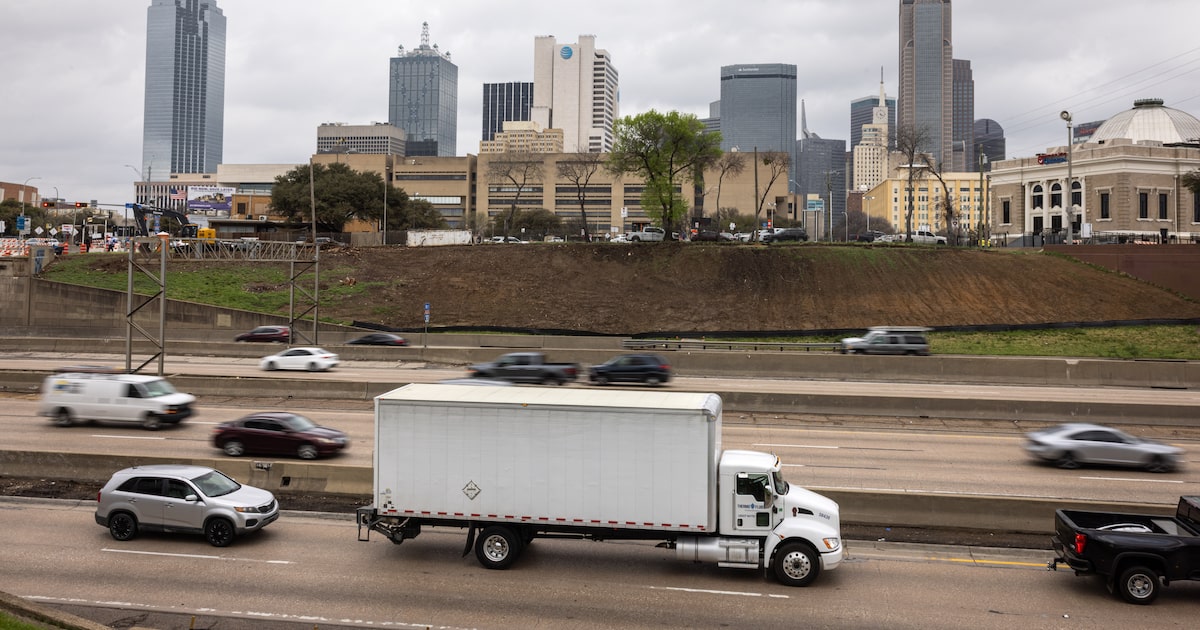
The D-FW area added more than 120,000 people from July 2024 to July 2025, according to a new census estimate, a numeric increase among U.S. metro areas that was second only to that of greater Houston.
But the growth didn’t come from the region’s largest county: Dallas County, which still ranked as the country’s eighth most populous, actually lost population over the time period. Collin County, meanwhile, saw significant growth, adding around 43,000 people, second nationally only to Harris County, which includes the bulk of greater Houston. More rural — and affordable — Kaufman County also saw a major jump, adding more than 11,000 people for a growth rate of nearly 6%, the country’s third highest.
The new figures, published by the Census Bureau on Thursday, hint at potentially major implications for the future of D-FW. For years, the region has ranked among the country’s fastest-growing metro areas, with some estimates projecting North Texas — which has a current population estimated around 8.5 million, fourth among U.S. metro areas — will eventually surpass 12 million people and even challenge greater LA as the nation’s second-largest metro area.
Yet the explosive population growth — which has coincided with a pronounced business and finance sector surge — simultaneously brings numerous challenges, including higher rents and stretched infrastructure. It’s also been unevenly distributed, with some parts of the Metroplex experiencing major density and prosperity booms while other areas have languished. The new census data is likely to only add to increasingly urgent questions about the future of Dallas’ urban core, in particular, at a time when some of central Dallas’ most important businesses and institutions, including AT&T and the Dallas Stars, are leaving or considering leaving the city center.
Business Briefing
“Downtown Dallas needs to have a reckoning,” Steve Triolet, an executive at Dallas-based Partners Real Estate, told The Dallas Morning News earlier this year, in the wake of the bombshell news that AT&T, one of the region’s largest employers, was abandoning its downtown headquarters for Plano. “They need to have a come-to-Jesus moment.”
Other major metro areas may be facing their own reappraisals. Of the country’s 387 metropolitan statistical areas, 310 saw slower growth between 2024 and 2025 compared with the year earlier, the data showed, and many of the country’s most populous areas actually saw population declines. Los Angeles County, the country’s most populous, lost around 54,000 residents. In Florida, Miami-Dade and Pinellas County, in the Tampa Bay area, both lost more than 10,000 residents. In New York City, Queens County and Kings County, which include the boroughs of Queens and Brooklyn, also saw net losses.
Those urban decreases largely stem from a drop in both international and domestic migration, according to census researchers, while the country as a whole also saw a major decline in international migration. From 2023 to 2024, the U.S. gained residents from other countries at a rate of above 8 per 1,000, but from 2024 to 2025 the rate fell to below 4 per 1,000. Large counties, which typically serve as migration magnets, were particularly impacted, and so were counties along the U.S.-Mexico border, with Laredo County registering the country’s single steepest drop in population growth rate.
The data is particularly resonant for Texas. While the state’s population and economy have both grown for years at a rate well above the national average, lately analysts have been pointing to a slowdown in international migration — and associated labor supply challenges — as a major headwind for the state’s economy.
“Texas’ strong domestic and international in-migration helps explain why state job growth outpaces that of the nation,” researchers at the Dallas Fed wrote in a report published in the fall. But they found that, in addition to slowing the migration inflow, beginning last year the Trump administration’s immigration crackdown had created a kind of “chilling effect” that was keeping foreign-born Texas residents home and dampening the economy. One in five Texas businesses in the bank’s survey said they expected immigration policy changes to negatively impact their hiring last year.
Parts of the D-FW Metroplex, including booming Frisco, have also been hit particularly hard by new restrictions to H-1B visas, a program intended for highly skilled immigrants that’s widely used in the tech industry and higher education.
“That’s the disruption to kind of the growth model that we have, as far as I see it,” Pia Orrenius, a senior economist at the Dallas Fed, said in an interview this year, referring to Texas’ and D-FW’s immigration slowdowns. “Immigration and migration into the state is more than 50% of our growth.
Economists generally remain relatively bullish on the Texas and D-FW economies, however, with the Dallas Fed recently projecting a 1.1% state jobs growth rate in 2026 — slower than Texas’ traditional 2% growth rate but a marked improvement from last year, when the state saw virtually no employment growth.
While D-FW’s year-over-year population increase of nearly 124,000 residents ranked second among metro areas in overall terms — ahead of greater Atlanta, Phoenix and Charlotte, N.C. — the net jump still represented a downshift from the North Texas’ recent growth: Between 2020 and 2024, D-FW added about 715,000 people, according to the census report, for a yearly average gain of about 179,000.
 DoorDash offers gig workers relief for soaring fuel prices
The national average for gas is up to $3.96 a gallon.
 Five ways North Texans can benefit from local workforce programs
Workforce leader emphasizes child care, clear career paths and partnerships across North Texas
 Google-funded residential power hubs help with energy security at Arlington apartments
The first-of-a-kind resilience hubs were largely funded by a $1 million contribution from the tech giant.