
Boston Bruins CEO Charlie Jacobs is surprisingly bullish on the regional sports network industry, even as the business seems to be crumbling all around him.
In a story by Evan Drellich of The Athletic, Jacobs acknowledged the struggles the industry is facing on account of cord-cutting, but believes regional sports networks still play a vital, and potentially growing role in how fans consume their favorite teams.
“Certainly, cord-cutting is happening, but I’m not sure RSNs are going away,” Jacobs told The Athletic. “In fact, I feel very different about that.”
In recent years, regional sports networks have begun launching direct-to-consumer streaming platforms for those outside of traditional cable and satellite bundles. The crux of the issues plaguing regional sports networks revolve around the shrinking pay TV bundle. Rewind 10-15 years, and over 100 million households were subscribed to basic cable. Most of those packages included a regional sports network, which customers paid for whether they watched a second of their local teams’ games or not.
“You’re never going to substitute all the, I’ll call them ‘phantom subs,’ that you were getting from a regional sports network when you’re on cable,” Jacobs admitted.
Now, the number of pay TV households hovers somewhere around 60-65 million, and regional sports networks are no longer a guarantee to be included in someone’s package, vastly cutting into the revenue they are able to generate. This has resulted in the collapse of many such networks, most recently the FanDuel-branded channels owned and operated by Main Street Sports Group.
But Jacobs believes there’s reason for optimism, and it’s because of streaming.
“You are getting DTC numbers that are growing substantially, like a hockey stick almost, in particular in our market. As an example here for Boston, we’re up 92 percent in DTC subscribers from last year alone, and that’s a year-round subscriber,” he told The Athletic
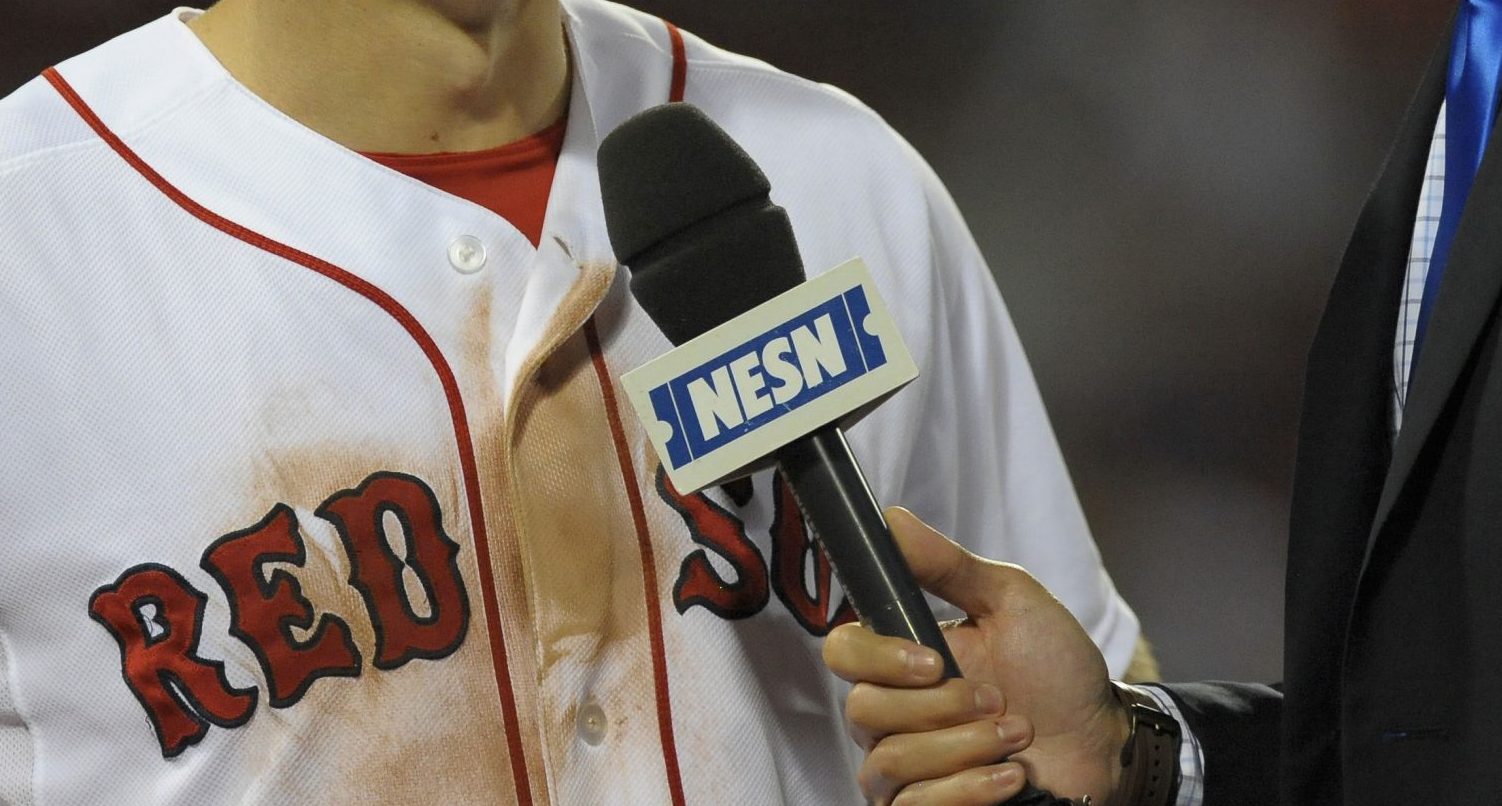
Some of that might have to do with NESN 360, the platform that offers Boston-area fans Bruins and Red Sox games, dramatically slashed its prices around this time last year. After launching at an annual price of $330, NESN 360 cut its yearly fee to $240.
Of course, there is clear growth in the streaming sector regardless of price changes, especially when it comes to local sports. The issue is that, even $240 per year, networks are finding it difficult to replicate the same revenue they could earn from the pay TV bundle.
Just last month, Milwaukee Brewers owner Mark Attanasio said the team expects to lose about $20 million in local broadcast revenue after transitioning from FanDuel Sports Network to MLB’s own media arm. Sports media consultant Bob Thompson indicates $20 million might be on the low end of local broadcast revenue declines, suggesting some teams are short “3 to 4 times that amount.”
Perhaps a 92% increase in direct-to-consumer subscribers is reason for optimism, at least in Boston. But there’s a reason MLB commissioner Rob Manfred is looking to dramatically rework how the league distributes it’s local games, and that’s because Boston might be more exception than rule.