
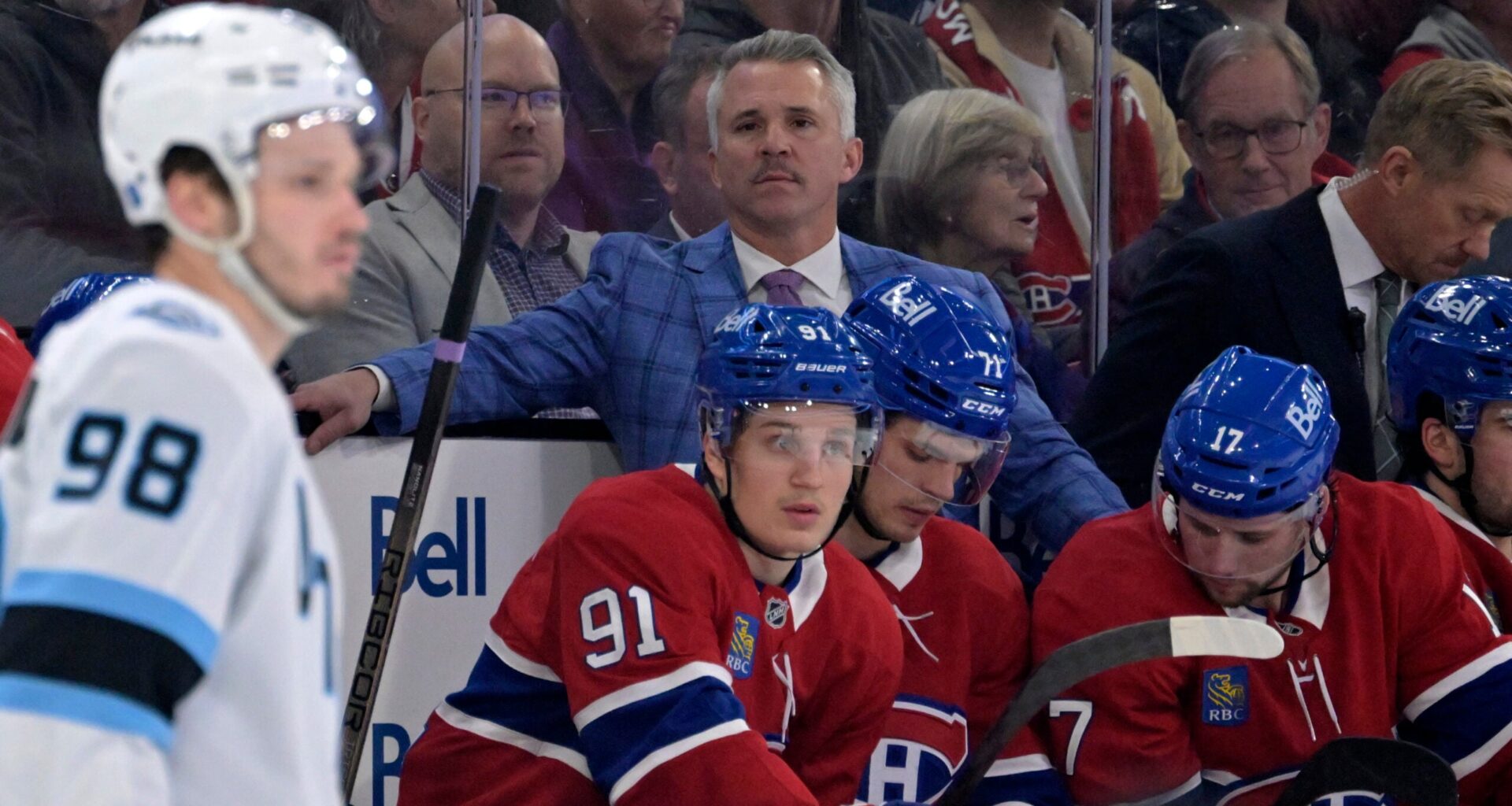
When the Montreal Canadiens hired Martin St. Louis in 2022, the move raised more eyebrows than confidence. A Hall of Fame player stepping behind an NHL bench with no professional coaching experience? It felt like a gamble, one rooted more in culture and leadership than proven systems or tactical pedigree. Fast forward a few seasons, and that gamble is starting to look like one of the smartest decisions this organization has made in years.
Early Returns
From day one, St. Louis was tasked with something bigger than just winning games; he was hired to guide a rebuild. The Canadiens were not expected to compete immediately, and expectations were modest at best. What stood out early wasn’t the results, but the identity he began to build: a fast, skilled, and confident team that wasn’t afraid to make mistakes in order to grow.
Still, results eventually matter, and St. Louis delivered them faster than anyone anticipated. In just his third full season behind the bench (2024-25), he led the Canadiens to a playoff berth, something few predicted at the start of that year. It wasn’t a fluke either. This season (2025-26), Montreal took another step forward, reaching 48 wins and securing a second straight playoff appearance.
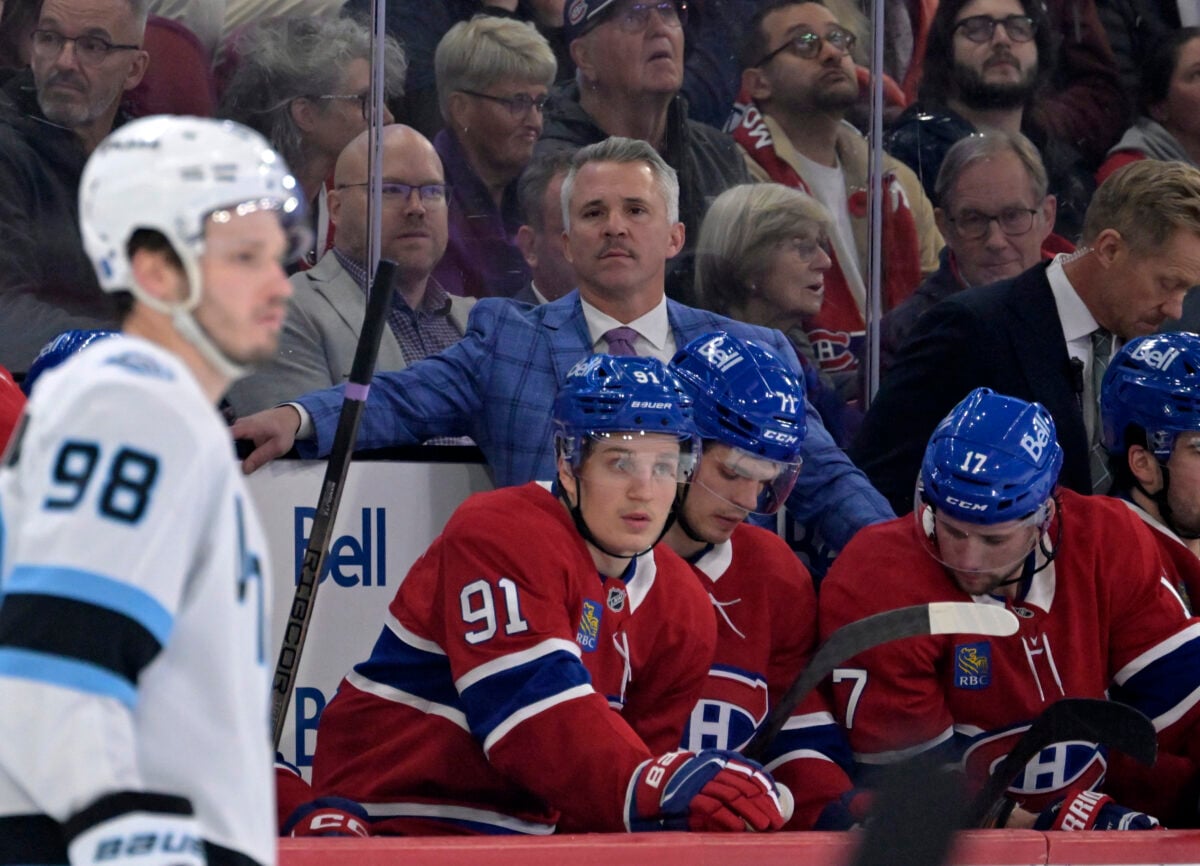 Montreal Canadiens head coach Martin St-Louis (Eric Bolte-Imagn Images)
That kind of progression is not accidental. It speaks to a coach who understands development, who knows how to communicate with younger players, and who can translate vision into execution. Players like Nick Suzuki, Cole Caufield, and Juraj Slafkovsky didn’t just improve individually; they became part of a system that maximized their strengths. Even rookies stepping into the lineup seemed prepared and confident, a direct reflection of the environment St. Louis has created.
Experience Growing With the Team
One of the most fascinating aspects of St. Louis’ coaching journey is that he has essentially grown alongside his team. Unlike veteran coaches who arrive with established systems and rigid philosophies, St. Louis has evolved in real time. Early on, there were questions about structure, in-game adjustments, and defensive consistency. Those criticisms weren’t unfounded, but they also didn’t define him.
Now, he sits among the longer-tenured coaches in the NHL, ranking fourth in terms of time with the same team. That stability matters, especially for a young roster. Players know what to expect, and there’s a shared understanding of the system, the standards, and the culture.
More importantly, St. Louis has shown he can balance development with competitiveness. It’s one thing to let young players learn through mistakes when a team is losing; it’s another to maintain that philosophy while pushing for playoff spots. Yet Montreal has managed to do both. The team plays with structure, but not at the expense of creativity. That balance is difficult to achieve, and it’s often what separates average coaches from elite ones.
His background as a player also continues to be a major advantage. He connects with players on a different level, particularly in a league where communication and trust are everything. He understands the mental side of the game, the confidence swings, and the pressure of performing in a market like Montreal. That perspective cannot be taught; it’s lived.
Expectations
Success in Montreal is a double-edged sword. While St. Louis deserves immense credit for accelerating the rebuild and making the Canadiens competitive again, those early wins come with a cost: expectations. Back-to-back playoff appearances and a 48-win season don’t just signal progress; they raise the bar. The Canadiens are no longer seen as a rebuilding team. They’re becoming a team expected to win, and eventually, to contend.
For St. Louis, this next phase will be the real test. It’s one thing to guide a young team to relevance; it’s another to push that same group into true contention. Adjustments become tighter, mistakes more costly, and the margin for error shrinks dramatically. That pressure is amplified in Montreal, where every decision is scrutinized, and every slump becomes a storyline. But if St. Louis has proven anything so far, it’s that he can handle adversity. He’s already defied expectations once by succeeding without prior coaching experience. Now, the challenge is sustaining that success and building on it.
If the trajectory continues, there’s a strong argument to be made that St. Louis isn’t just a good story or a promising coach; he’s becoming one of the NHL’s best.
AI tools were used to support the creation or distribution of this content, however, it has been carefully edited and fact-checked by a member of The Hockey Writers editorial team. For more information on our use of AI, please visit our Editorial Standards page.
Free Newsletter
Get Montreal Canadiens coverage delivered to your inbox
In-depth analysis, breaking news, and insider takes – free.