
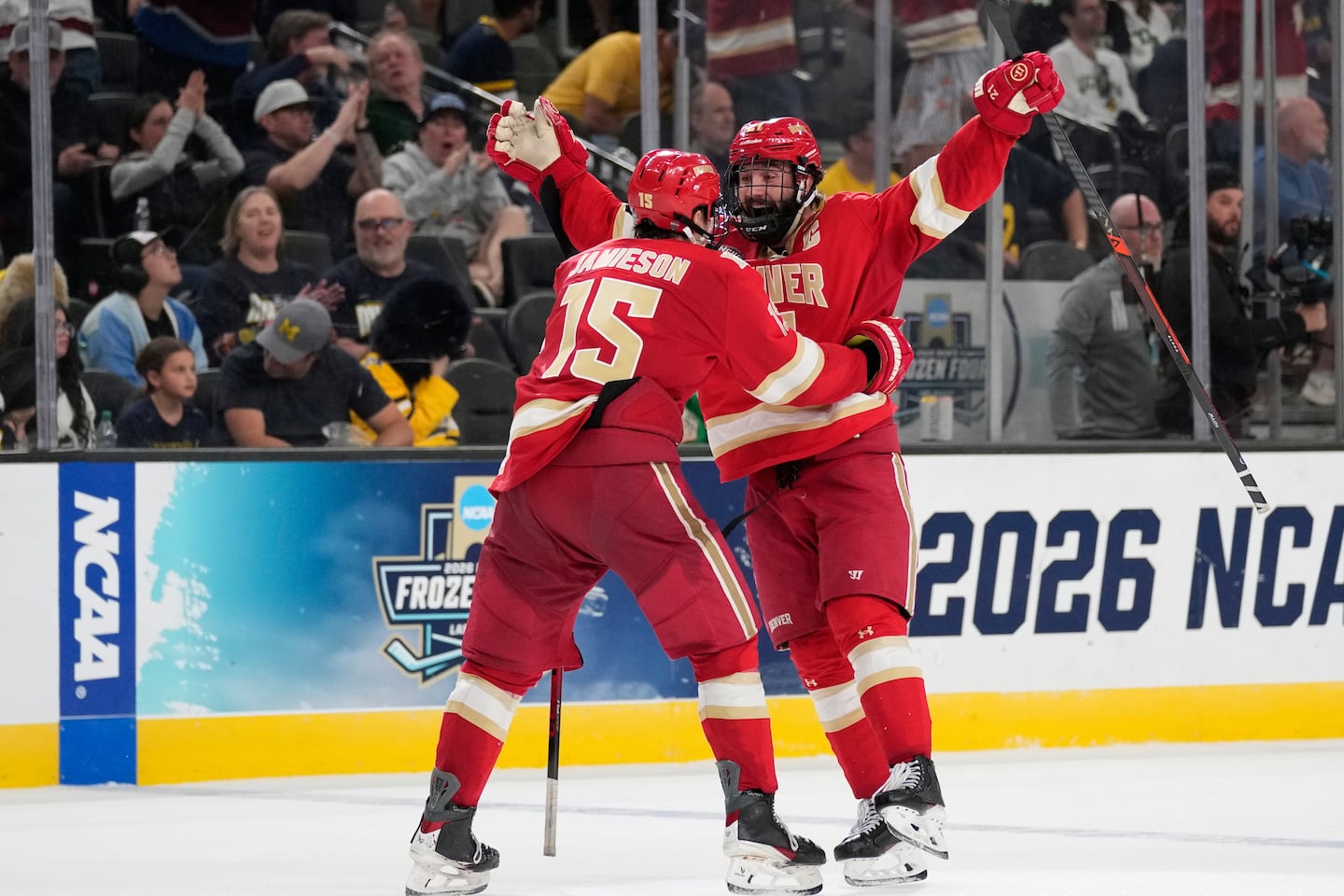
It may seem like a small distinction, but it was an important one. While some players are ready for the rigors of college hockey at 18, most tend to defer enrollment to play an additional year or two in junior hockey after high school before making the jump. The modification would give athletes the opportunity to play a season of juniors, after which they would still be allowed to play five seasons of college hockey over five years.
That the change came about offers a lesson in persistence and unity.
The Hockey Commissioners Association reached out to folks at all levels — juniors, USA Hockey, the NHL — and it was apparent they were against the initial proposal because of how disruptive it could be for the sport.
They collected data and letters of support, all sent to the NCAA, but it became clear after the Division 1 Cabinet met May 22 that hockey’s counterproposal was not getting any traction. The NCAA had stated it wanted a universal model applied to all sports.
However, hockey wasn’t looking for an exemption, nor was it looking to keep the old rules in place. It believed its proposed modification was a middle ground that would benefit other sports, as well. It was just a matter of getting others on board.
From Steve Metcalf’s time as deputy director of athletics at the University of New Hampshire — where he served on committees for NCAA Division 1 men’s ice hockey, women’s ice hockey, and skiing, among others — the Hockey East commissioner earned the reputation as someone who could build consensus and get things done. This would be another challenge for he and the rest of the HCA.
Basketball coaches were the first to get on board, and they would soon be joined by the Division 1 basketball committee, which is a combination of coaches, administrators, and athletic directors. That was a turning point, said one NCAA official. The service academies also supported the counterproposal, as did the soccer coaches’ association.
That same week, NHL commissioner Gary Bettman and deputy commissioner Bill Daly held a news conference ahead of Game 1 of the Stanley Cup Final on June 2, when they were asked about the NCAA’s initial proposal. Both spoke out against it.
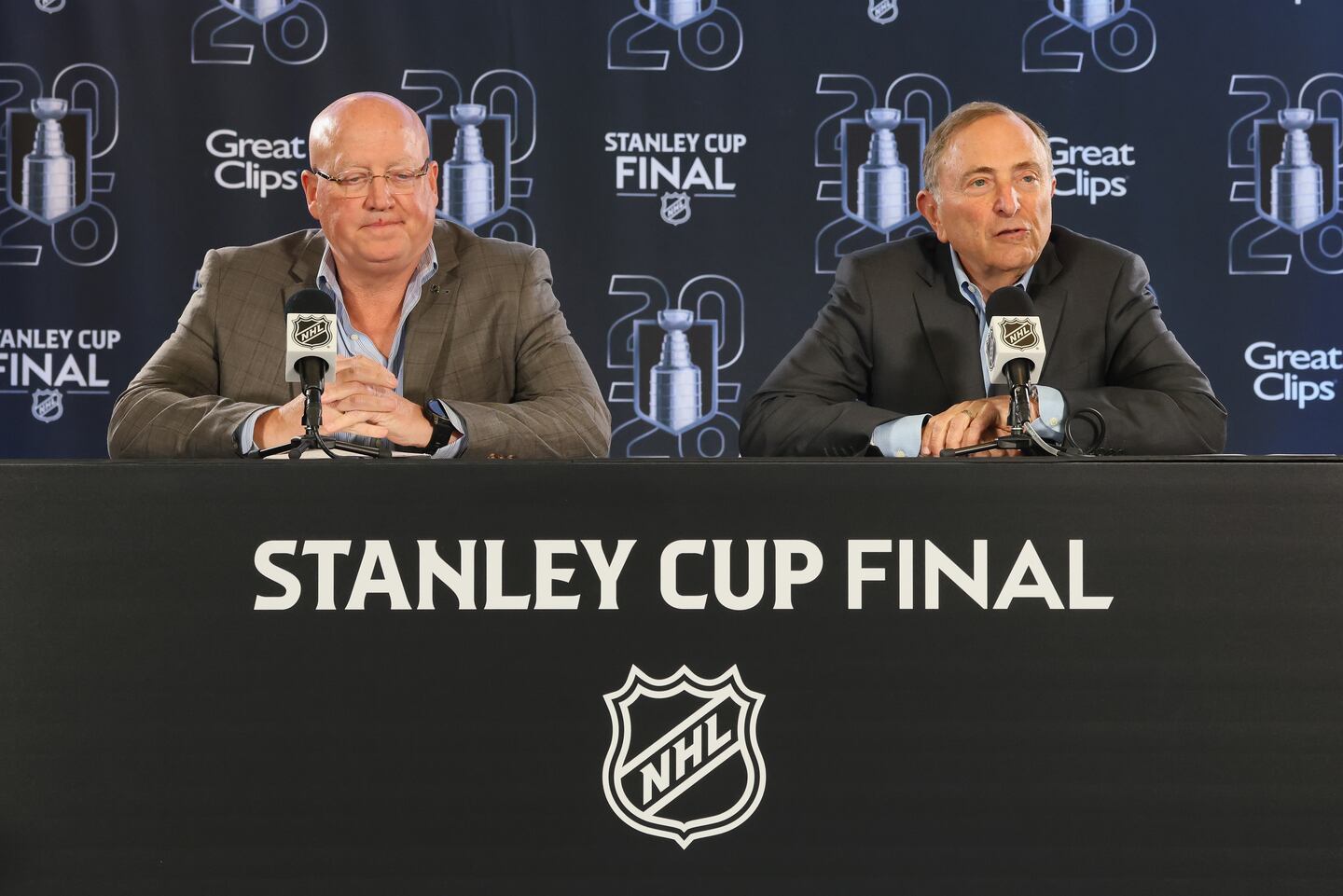 Priot to Game 1 of the Stanley Cup Final, Bill Daly (left) and Gary Bettman found time to speak about plans involving athletes’ college eligibility, and their potential impact on the sport.Bruce Bennett/Getty
“We’re not in favor of the change, and we’ve made the NCAA aware of it,” said Daly. “We and a number of other hockey organizations throughout North America — the three junior leagues in Canada, the USHL, USA Hockey, the college coaches’ association — all have raised concerns.”
Daly had called NCAA president Charlie Baker the previous week, voicing those concerns. Baker told Daly he had some ideas and said he would instruct his staff to consider all options.
Metcalf knew a few people on the Division 1 Cabinet, and he began reaching out to inform them that other sports were endorsing the proposal. He was able to connect with other members of the cabinet, as well, one of whom he asked to present their argument to the rest of the group. It was at that point Metcalf started to feel optimistic.
From there, it was a matter of waiting to hear how things went on the call, which was scheduled for June 5 at 1:30 p.m. The hope was that the discussion would go well enough to keep the counterproposal alive, so that they could have more time to get more people on board, if needed, ahead of the cabinet’s in-person meetings June 23-24.
Around 3:30 p.m., word started to spread that a vote had been taken, and the modification had been approved by a significant margin. Metcalf started getting texts, and he immediately reached out to ECAC commissioner Doug Christiansen, who had also lobbied hard for hockey’s counterproposal. Christiansen had heard the good news by then, as well.
Metcalf fielded texts and calls for the next two hours as the hockey community looked to confirm the news.
“Quite frankly, people couldn’t believe what we’d done,” said Metcalf. “A week prior, people were saying we were dead and buried. We were cooked.”
A formal vote could come next week, and the modified proposal is expected to pass.
Follow Andrew Mahoney @GlobeMahoney.