
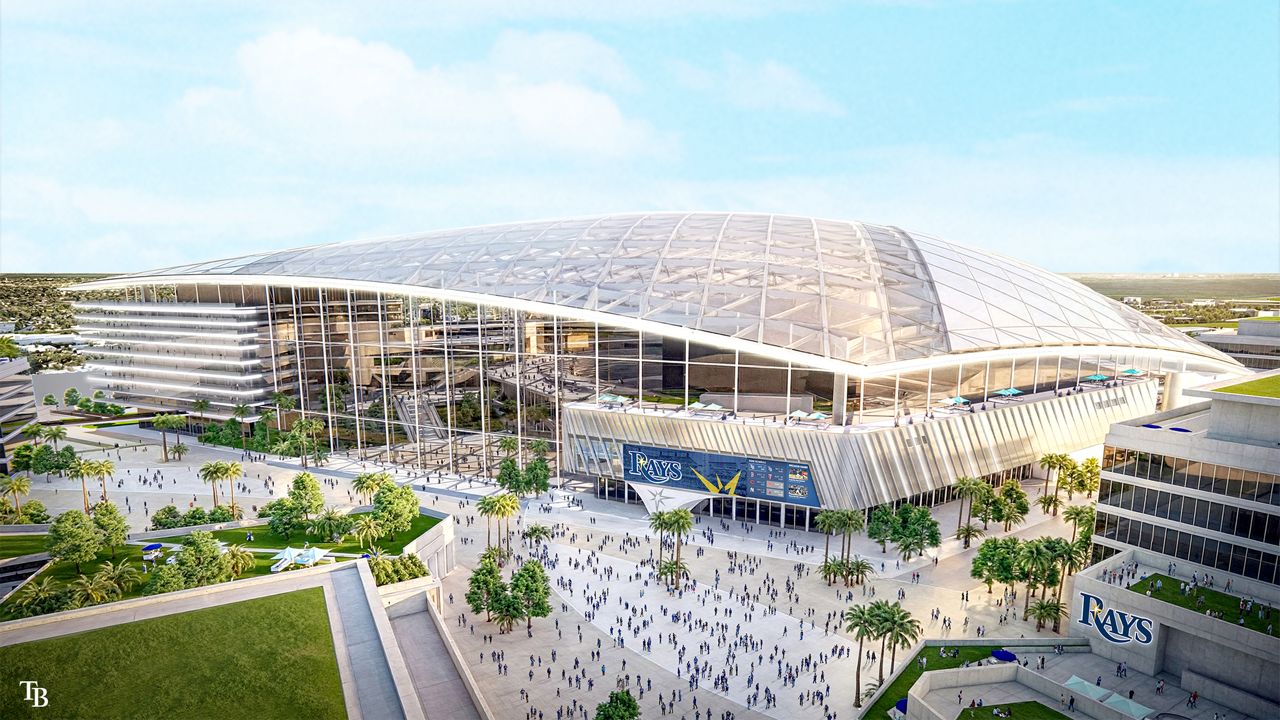
TAMPA, Fla. — The future of the Tampa Bay Rays’ proposed new stadium remains one of the biggest issues facing the Tampa City Council, even though the project is not on its most recent meeting agenda.
The Rays have said they need an agreement in place by the end of August to stay on track for a September groundbreaking and a planned opening in 2029.
With only two scheduled Tampa City Council meetings remaining before the end-of-August deadline, the timeline for reaching a final agreement is becoming increasingly tight.
The Rays, the city of Tampa and Hillsborough County signed memorandums of understanding in May outlining the framework for the stadium project. However, significant details still need to be resolved before a final agreement can be considered.
One of the biggest questions is whether the final deal will have enough support to pass Tampa City Council.
Rays owner Ken Babby has been meeting individually with council members as the team works to build support for the agreement.
Tampa Mayor Jane Castor said she remains confident the deal will be approved, but acknowledged that negotiations may take longer than the Rays’ preferred timeline.
“We are moving as quickly as we can,” Castor said. “There are some aspects you can’t just rush, through.”
Castor said attorneys and other parties are still working through the details of the agreement and that the process could extend beyond the end of August.
Tampa City Council member Bill Carlson could play an important role in the stadium negotiations.
Carlson voted in favor of the memorandum of understanding but later said he would oppose the current agreement, citing the city’s current expenses related to maintaining infrastructure.
To address those needs and the Rays stadium plan, Carlson proposed a plan last week to use property taxes generated by the Rays’ proposed multi-use development to pay for the new ballpark. He said his plan could generate up to $2 billion for roads and flood prevention over the next 35 years without raising taxes.
He said the proposal could help address the city’s infrastructure needs and potentially free up funding that has been a concern in the stadium debate.
“Last week I made a proposal that would generate up to $2 billion for roads and flood prevention without raising taxes,” Carlson said. “If that proposal goes through, it will help our entire community face our biggest challenge of deferred maintenance.”
The city and county are also continuing discussions with local lenders about financing for the stadium project.
Castor said negotiations are taking place daily as the various parties work toward a final agreement.
The Rays’ timeline calls for an agreement by the end of August so construction can begin in September. But it remains unclear what would happen if negotiations extend into September.
The team said it had no comment when Spectrum Bay News 9 asked the team about the Aug. 30 deadline.