
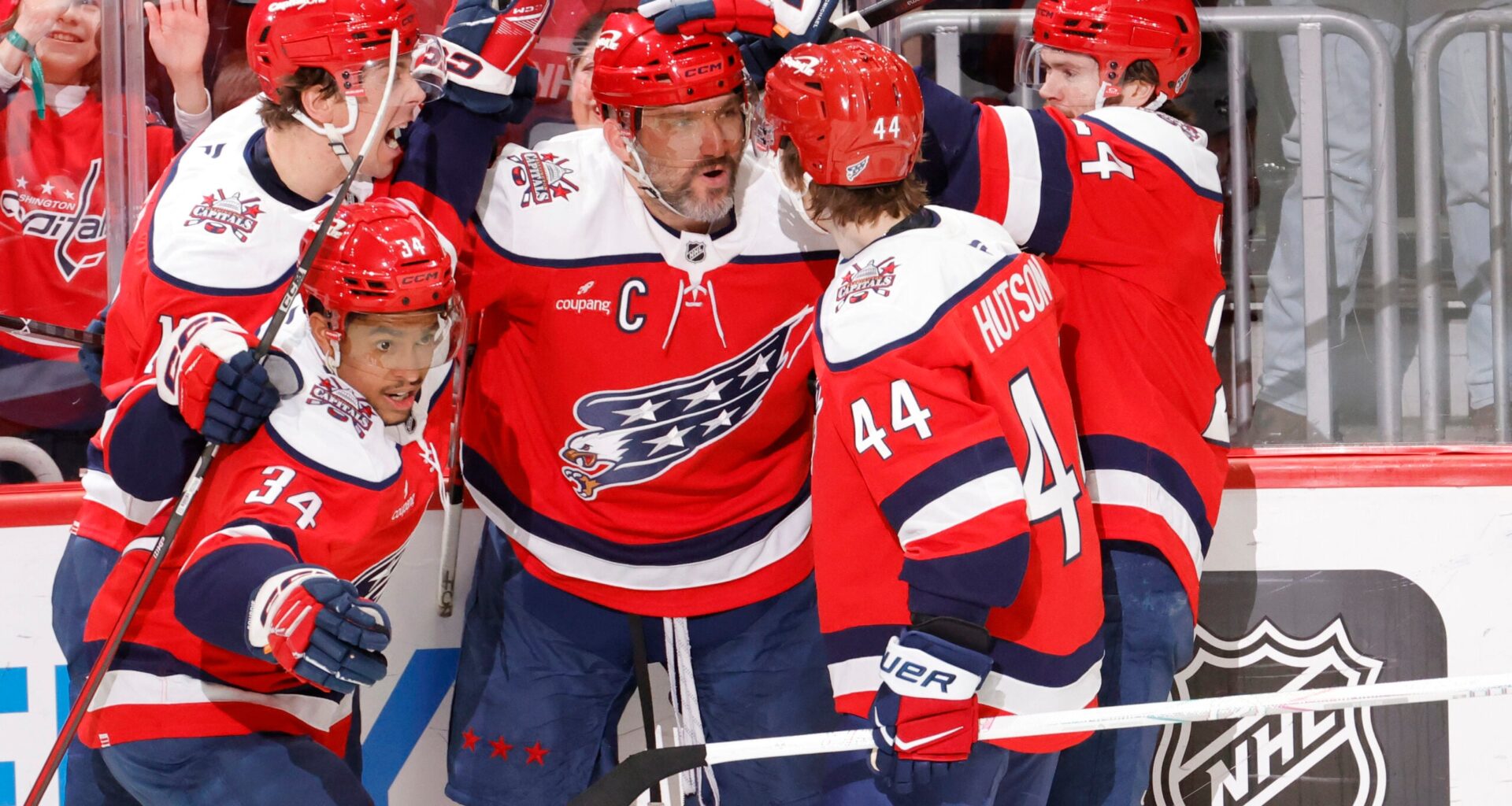
With just two preseason games left before the 2026-27 NHL campaign kicks off, the Washington Capitals are firing on all cylinders. A handful of items need to be addressed and fine-tuned before their first game on Oct. 2, but perhaps the most important area to workshop is the power play.
Last Season’s Struggles
A lack of success on a man advantage was a major factor in the team’s missed playoff appearance last season. Though they finished with a .579 win percentage, they fell short of a postseason berth by three points. A more successful power play could have easily earned them those two wins needed to clinch the playoffs.
The team converted just 17.8% of its power-play chances, finishing 25th in the league. In a notoriously tight Metropolitan Division, each win provides critical points needed to overtake rivals in the standings. If Washington had been more successful in scoring with a man up, they could have secured more victories, more points, and thus, a playoff chance.
The Capitals have made it clear they are looking for a Stanley Cup run this season. With their blockbuster moves this offseason, the Capitals showed they didn’t come to play around. In what is likely Alex Ovechkin’s last season, his franchise wants to give him one last shot at the ultimate victory and a chance to go out on a high note.
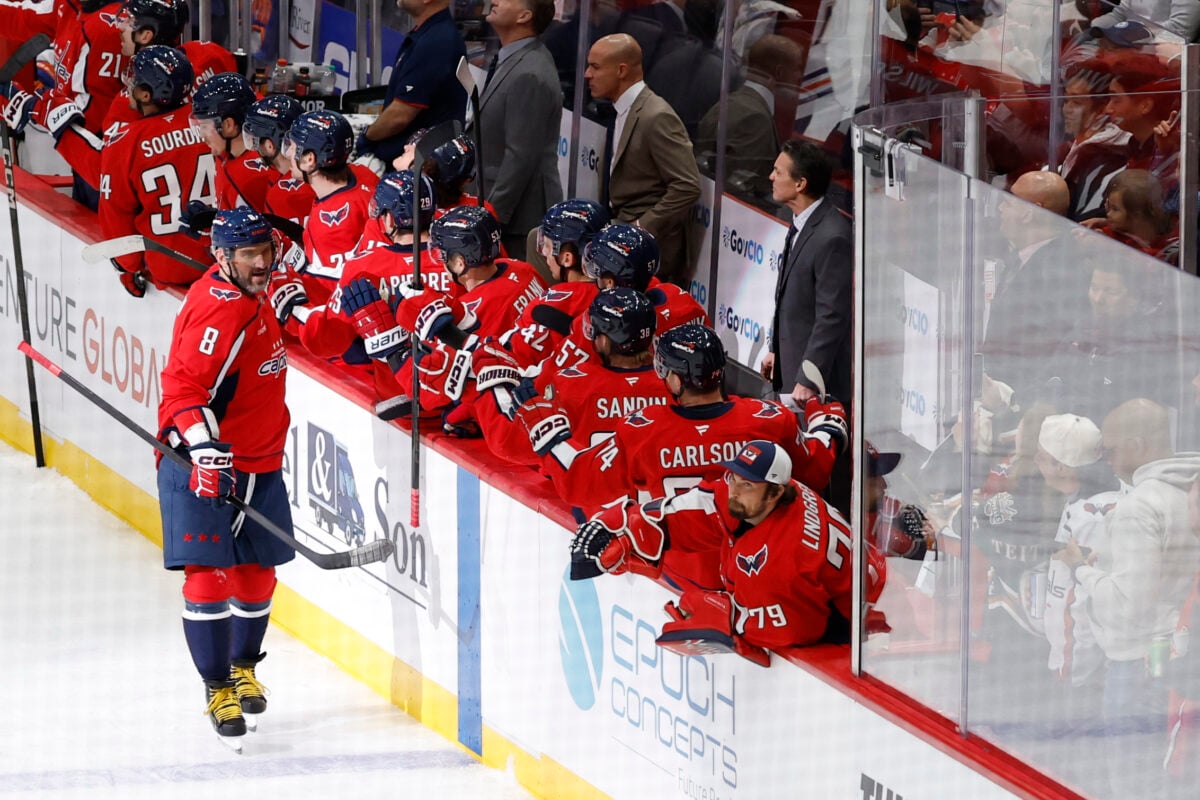 Washington Capitals left wing Alex Ovechkin celebrates with teammates after scoring a goal against the Edmonton Oilers (Geoff Burke-Imagn Images)
Despite a subpar power-play performance, the team had a fighting chance for a good chunk of the season. At some points, they sat among the top three in the division, and they were in playoff contention to the bitter end. Their goaltending duo, two-way defensive core, and high-powered forward group set them up for success.
Forward Dylan Strome mused about what went wrong last season, remarking that his team did not do enough to get the puck back and maintain control when facing a penalty-killing unit.
“I think that we’ve just got to have that mentality of when the puck gets lost, we need to find a way to get it back,” he said. “Last year was too much standing around and too much just accepting that if off a shot, they clear it, it’s like, ‘Oh well, whatever.’ But this year we’ll try to go into a little bit of a different mindset and how we’re going to get pucks back and keep plays alive.”
Reworking the Power Play
They’ll need to really hone in and tailor the power play this season to take advantage of the new, highly-skilled core they’ve built. Logan Thompson and Charlie Lindgren still have the net covered, and a slew of new faces will join forces with the talented team veterans.
Assistant coach Ray Bennett has taken charge of reworking the power play this preseason. Two distinct groups have emerged —one consisting of veterans and team staples, and one with new, fresh faces. Ovechkin, Strome, Jakob Chychrun, Pierre-Luc Dubois, and Tom Wilson make up one unit; all five have played together for multiple seasons and have spent time on power-play units together.
“There’s a lot of familiarity there, a lot of communication, and a lot of barriers are broken down. They know each other extremely well,” said head coach Spencer Carbery. Chemistry is a big factor in success on the ice, and grouping players who know and understand each other’s game and play style is a smart move.
The fresh unit consists of Ryan Leonard, Cole Hutson, Ilya Protas, Jordan Kyrou, and Alex Tuch. This group is inexperienced together, but each player brings a certain skillset that could yield preferential results. The chemistry will develop with continued practice and communication.
 Washington Capitals defenseman Cole Hutson (Daniel Kucin Jr.-Imagn Images)
The units mirror each other. Each features a left-handed defenseman (Chychrun and Hutson), a physical force (Wilson and Protas), and three high-scoring and playmaking forwards. The veteran group’s chemistry, combined with the newcomers’ fresh eyes and fast-paced play style, is a recipe for a much-more-successful power play this season.
In particular, Hutson has proven himself to be a cornerstone of power-play success. During his 14-game stint at the end of last season, the Capitals converted at 26.3% up a man, and the defenseman had a part in six of 10 power-play goals in that span. He could be exactly the piece the team needed to rebuild the power play from the ground up and find what works as they eagerly chase a playoff berth.
In the last eight seasons, Washington has had just one top-10 finish in power-play conversion rate (2020-21). Will these emerging power-play units be the key to cracking the top of the standings once again? Bennett, Carbery, and the entire team are hoping to make the best of every chance they get this season.
Free Newsletter
Get Washington Capitals coverage delivered to your inbox
In-depth analysis, breaking news, and insider takes – free.