
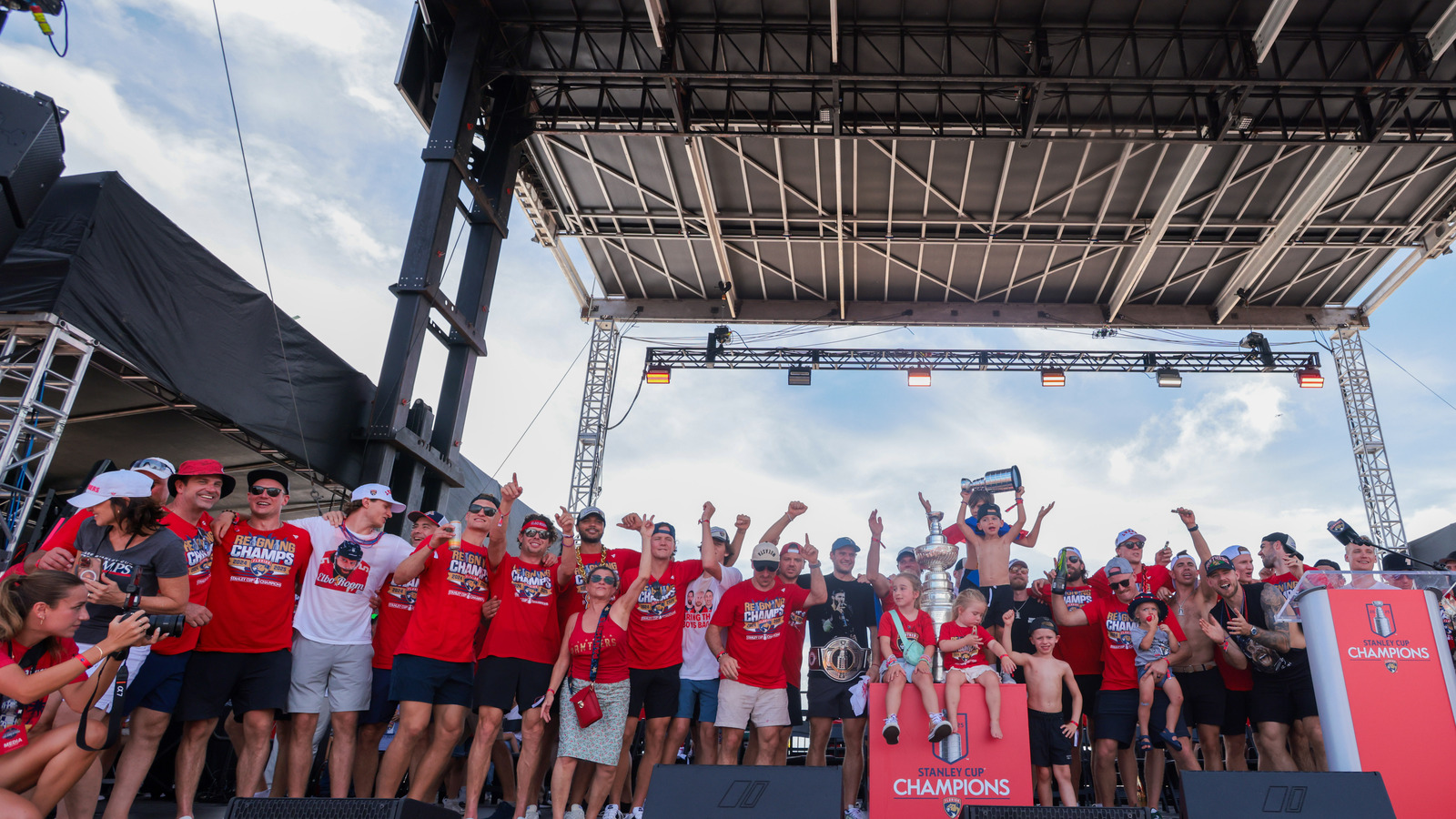
Now that the Stanley Cup finals are in the rearview mirror, PuckPedia calculated that the Panthers were $5 million over the salary cap in the final playoff game.
The NHL and NHLPA agreed on a new Collective Bargaining Agreement (CBA) that will run from September 16, 2026, which will apply drastic rule changes to Long-Term Injured Reserve (LTIR) rule operations and salary-cap management for teams for the regular season and playoffs.
Introduced in 2005, the LTIR gives teams a way to go over the salary cap to retool a roster for lost players due to injury.
2015 is when problems started arising around the LTIR during playoffs
Following the 2015 playoffs, the rule came into question when Patrick Kane came back from injury right before the postseason, which meant that the Blackhawks could enjoy extra roster depth without later salary cap penalties.
Similar situations occurred with Nikita Kucherov (Tampa Bay), Mark Stone (Vegas), and Matthew Tkachuk (Florida), which resulted in a change being demanded.
Under the new regulations, teams are available for relief of LTIR, but only to the prior year’s league salary average if the player will be returning that year.
Therefore, if these regulations were effective for the 2025-26 year, maximum relief would be available for only $3,817,293, well below most superstar player salary caps.
Actual LTIR relief still only becomes available if a player is being shopped for regular-season and playoff ineligibility, therefore not being able to return until the subsequent year.
And, for the postseason, the combined player dress list salary cap hit must be below the regular season salary cap.