

Hear a panther scream in the night
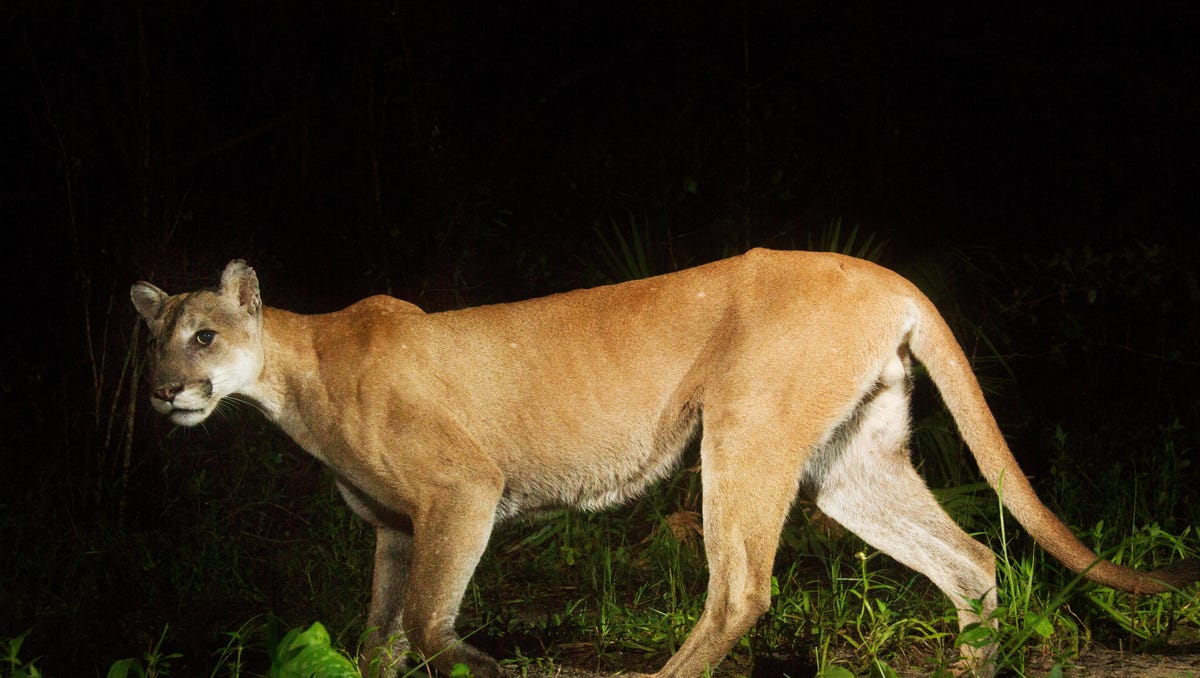
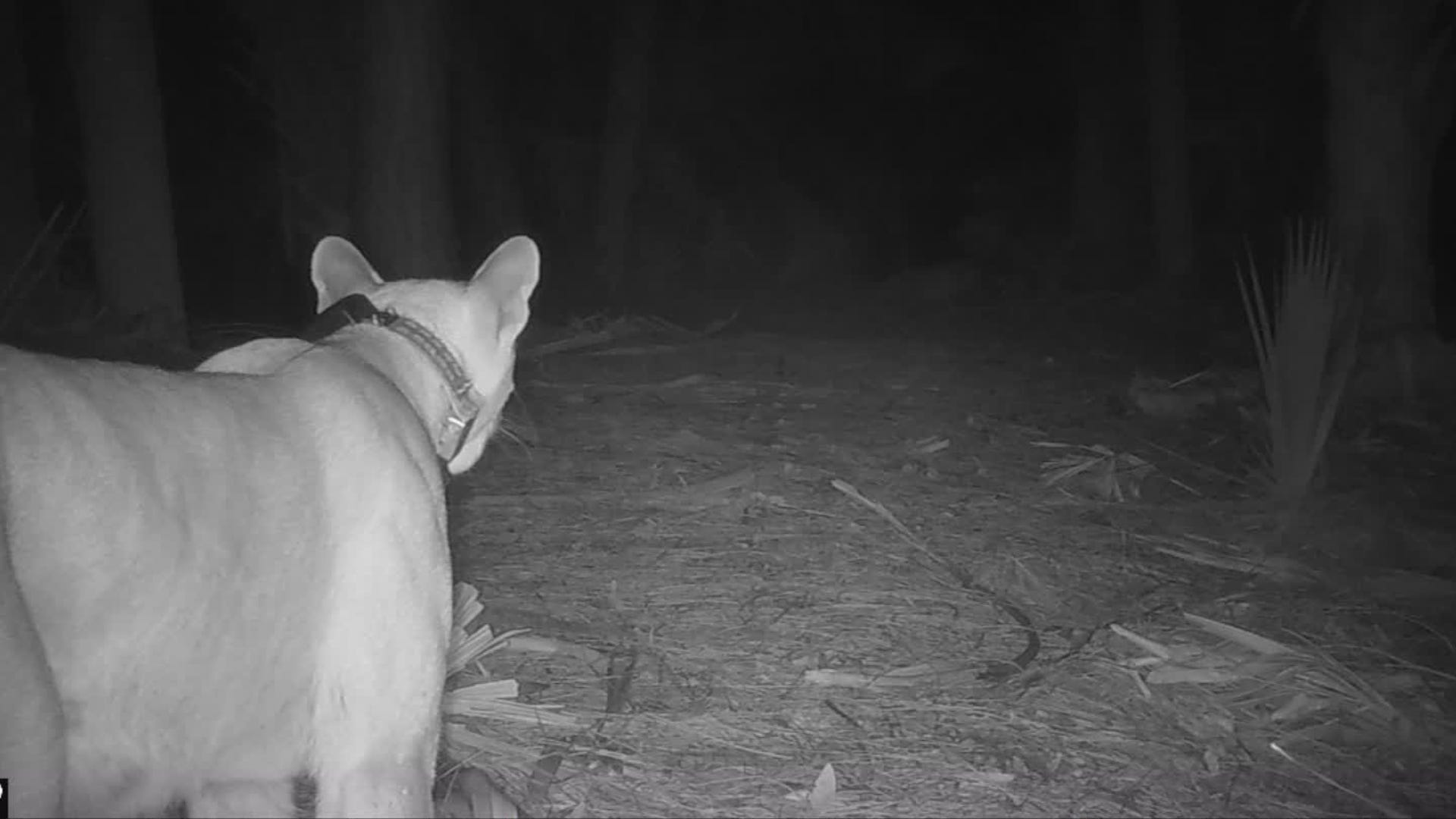
See the latest panther night camera videos from Tom Mortenson. Includes kittens, an adult male and an adult female.
The Florida panther, the state animal, is an elusive and iconic mammal primarily found in South Florida.Habitat loss due to proposed development in Lee and Collier counties poses a significant threat to the panther population.Conservation efforts in the 1990s, including introducing Texas cougars, helped the population recover from a few dozen to an estimated 120 to 230 today.
Florida panthers are the most iconic mammal in the Sunshine State.
It’s our state animal and was selected by school-aged students across the state in 1982 to represent Florida.
The Florida panther (Puma concolor coryi) is also one of the more mysterious critters here, especially to be so large.
It’s hard to believe that a 166-pound male can be stealthy, but panthers aren’t often seen in the wild as they blend into the vast jungle-like preserves.
Seeing a panther is rare, and getting a chance to watch one as it screams, hops or just lumbers through forest is akin to winning at least a small chunk of the lottery.
But by using game cameras, biologists, photographers and citizen scientists have been able to better document these apex predators.
Tom Mortenson is one of those people who help document panthers on the Southwest Florida landscape.
His videos show panthers during night and day conditions at places like Corkscrew Regional Ecosystem Watershed, or CREW, a massive preserve that stretches from the Immokalee area toward Estero and south to Collier County.
During the day, panthers can be seen roaming the preserve and marking their territory with scent glands. At night, their eyes glow in the reflection of the camera flash, appearing to be the size of tennis balls.
Habitat loss is a major threat to panthers
Some panther advocates say the big cat is at a crossroads now and that approved and proposed development in rural Lee and Collier will wipe away massive swaths of panther habitat.
Several towns are being planned for eastern Corkscrew Road and in the Immokalee area south to Intestate 75.
Some of Mortenson’s videos have captured panthers coming to and from those proposed developments, which means panthers are using the lands at least as a travel corridor.
The heart of the breeding population is in the Big Cypress National Preserve, a 730,000-acre National Parks Service preserve that takes up most of eastern Collier County.
These developments, critics say, will cut off crucial travel corridors and take away areas that range from prime wilderness to farm lands, which is where many panther sightings occur.
The long-term goal is to get panthers to move north to central Florida and establish a population there.
What is the panther’s current range?
The animal that has become the Florida panther once ranged from Texas to North Carolina, but the big cat was overhunted in most of its range by the mid-20th century.
The eastern cougar (Puma concolor couguar) was declared extinct by the U.S. Fish and Wildlife Service in 2011, so any big wildcat found east of the Mississippi is, by definition, a Florida panther.
It once roamed all of Florida, but habitat loss and overhunting forced the remaining cats into a challenging situation.
Males were born with reproductive issues, and there was a kink in some of their tails.
Only a couple of dozen panthers were left in Florida by the 1990s, when a group of eight female Texas cougars were released into the Big Cypress preserve to increase genetic diversity.
That genetic injection seems to have worked as the panther has rebounded some, and individuals are no longer showing signs of inbreeding.
Now confined to preserve lands and farms south of Lake Okeechobee, the population has grown back to an estimated 120 to 230 panthers, according to the Florida Fish and Wildlife Conservation Commission.
Questions linger about the future of the Florida panther
The panther recovery plan calls for three separate populations of 240 breeding adults, and only one of those populations would likely be in Florida.
The third location may need to be in another state even, perhaps Georgia, where a 144-pound male was shot by a deer hunter in 2008.
The U.S. Fish and Wildlife Service is also years behind on releasing an updated Florida status report, which should include the latest science, trends and habitat losses.
The biggest modern success story for the big cat is when a female panther crossed the Caloosahatchee River, made a den and had kittens.
A female with kittens is also reportedly living in Glades County along the Fisheating Creek Wildlife Management Area.
No plans to introduce panthers to central Florida or another state have been proposed by state or federal wildlife management agencies.