
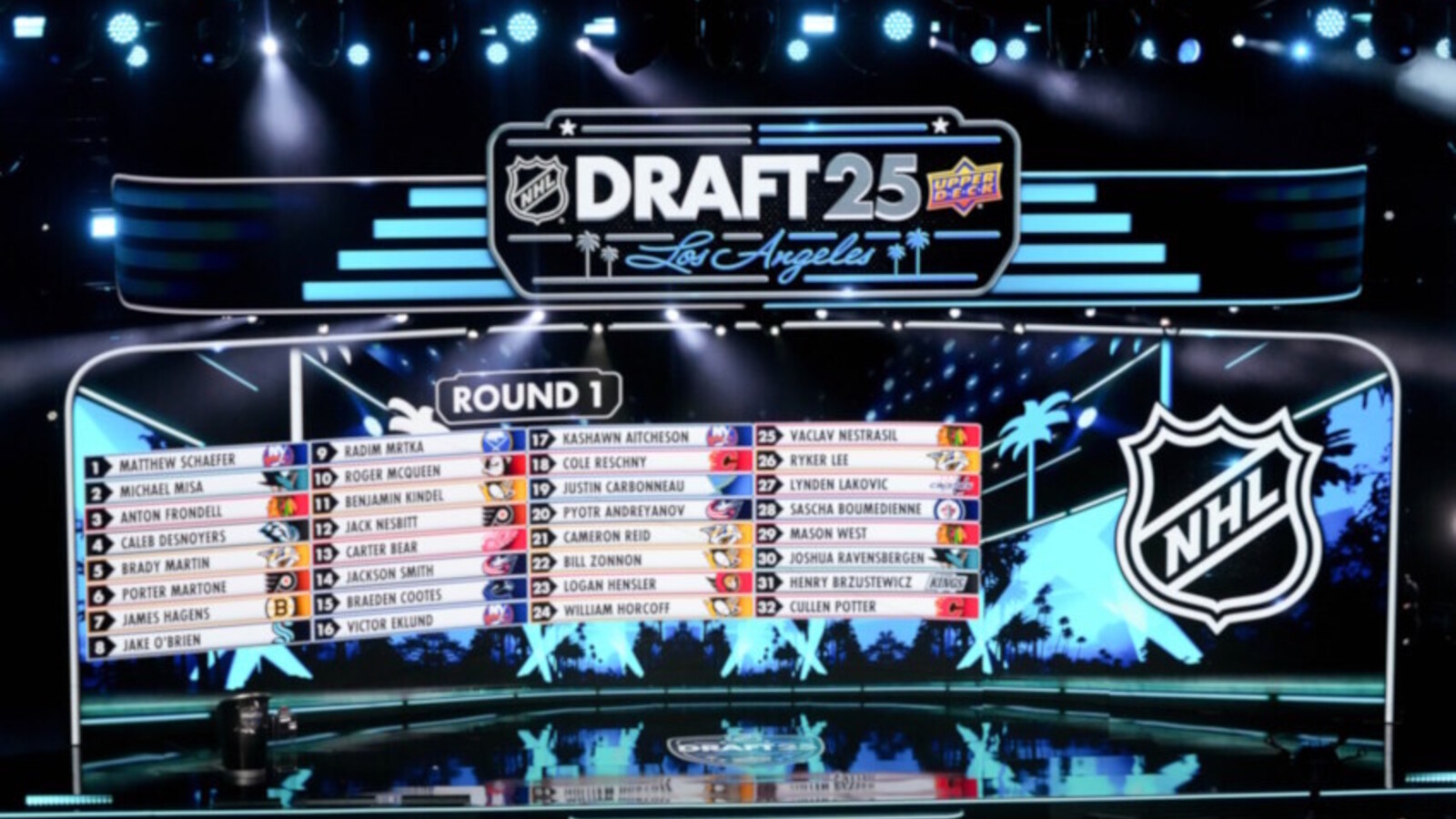
The NHL Draft stands as one of the league’s cornerstone events every summer. For teams and fans, it represents the hope of the next franchise player, the excitement of underdog stories, and the arrival of future stars on hockey’s biggest stage. The 2026 edition promises high drama, elite talent, and an opportunity to reflect on the winding history of the event and its marquee moments. As of now, the league has not yet announced the location for the decentralized 2026 NHL Draft, adding another layer of anticipation to this year’s proceedings.
Scheduled for June 2026, the draft will bring together scouts, general managers, and hockey analysts to debate, speculate, and shape the future of the league. As the draft nears, three names have crystallized as the most coveted prospects in the class. Teams at the top of the board see more than just potential; they see an opportunity that could reset the trajectory of their franchise for a decade. For those wishing to learn more about hockey, understanding the NHL Draft’s history, lottery process, and the stories of past selections offers a window into the heart of the game.
Top Three NHL Draft Prospects in 2026
The 2026 class features a strong international flavor and outstanding skill. At the front of this group is Maxim Petrov, a dynamic Russian center with speed and vision reminiscent of the league’s top playmakers. Petrov stands out for his hockey IQ, relentless effort, and puck distribution. He dominated the KHL’s youth league, posting numbers rarely seen in players his age, and excelled in international play, including the World Junior Championship.
Coming in close behind is defenseman Carter Powell, the top North American skater in the class. Powell, a stalwart for the US National Team Development Program, brings a rare blend of size, skating, and poise. Coaches praise his ability to control the game’s pace from the blue line and his willingness to jump into the rush without sacrificing responsibility in his own zone.
The third standout is Swedish winger Leo Johansson. With a lethal release and advanced two-way awareness, Johansson led the SHL U20 circuit in scoring. Scouts view Johansson’s game as NHL-ready, crediting his physical maturity and his leadership on and off the ice. He routinely elevates his teammates and shows a competitive edge that teams crave in the top five.
A Brief History of the NHL Draft
The NHL staged its first entry draft in 1963. The format was unheralded and straightforward, with few rounds and a player pool limited by geography and scouting reach. Over time, the event grew in scale, shifting toward the spotlight affair it is today, broadcast worldwide.
The draft evolved as the league expanded beyond its “Original Six” footprint. Better scouting, a larger pool of international prospects, and advanced analytics have given teams more insight than ever. What hasn’t changed is the uncertainty. Every year, there are “can’t-miss” picks who falter and overlooked players who surprise critics and fans alike.
Late Round Draft Gems
One defining aspect of draft history is the number of stars selected in later rounds. Henrik Zetterberg, chosen 210th overall in 1999, won a Conn Smythe Trophy as playoff MVP and became a Detroit Red Wings legend. Pavel Datsyuk, another Red Wings steal, went 171st in 1998 and dazzled fans with his skills for more than a decade.
Luc Robitaille, overlooked until the ninth round in 1984, scored over 600 goals and earned his place in the Hockey Hall of Fame. More recently, Brayden Point, drafted 79th overall in 2014, has become a vital part of the Tampa Bay Lightning’s championship core. These players prove that star power can emerge from anywhere in the draft.
High-Profile Draft Day Trades
Draft day trades add unpredictability and excitement. One of the draft’s most memorable deals occurred in 2002 when the Columbus Blue Jackets moved up to select Rick Nash first overall, dealing a package to the Florida Panthers. Another blockbuster saw the New Jersey Devils acquire the ninth and 17th picks in 1991 to move up and grab Scott Niedermayer, who anchored their defense through three Stanley Cup wins.
In 2016, the Montreal Canadiens shook up the hockey world by trading P.K. Subban for Shea Weber, moments before making a high-profile first-round selection. Such moves show how draft day can reshape organizations overnight, sometimes in franchise-defining ways.
The NHL Draft Lottery Process
Earning the top pick is never a guarantee. The NHL employs a lottery system, introduced in 1995, to prevent teams from intentionally tanking. The lottery randomly assigns the rights to the top selection among the non-playoff teams, weighted by regular-season finish. Over the last decade, tweaks to the rules have increased parity, with several long-shot bottom-end finishers jumping up to claim the draft’s most-prized asset.
This randomness creates drama and suspense. Teams, fans, and prospects watch anxiously as the lottery determines which franchise will get first crack at the game’s next cornerstone. The process aims for fairness, adding a layer of intrigue to the annual event.
Last Word
The 2026 NHL Draft will not only showcase elite prospects like Maxim Petrov, Carter Powell, and Leo Johansson, but also continue a league tradition marked by big trades, late-round surprises, and the hope of finding players who alter the course of a franchise. With the decentralized draft location still to be announced, anticipation continues to build. Every team wants to pick the next superstar, and every fan dreams of landing the hidden gem. As hockey evolves, so too does the draft, remaining a testament to the sport’s unpredictability and its appeal.