
Quick Read
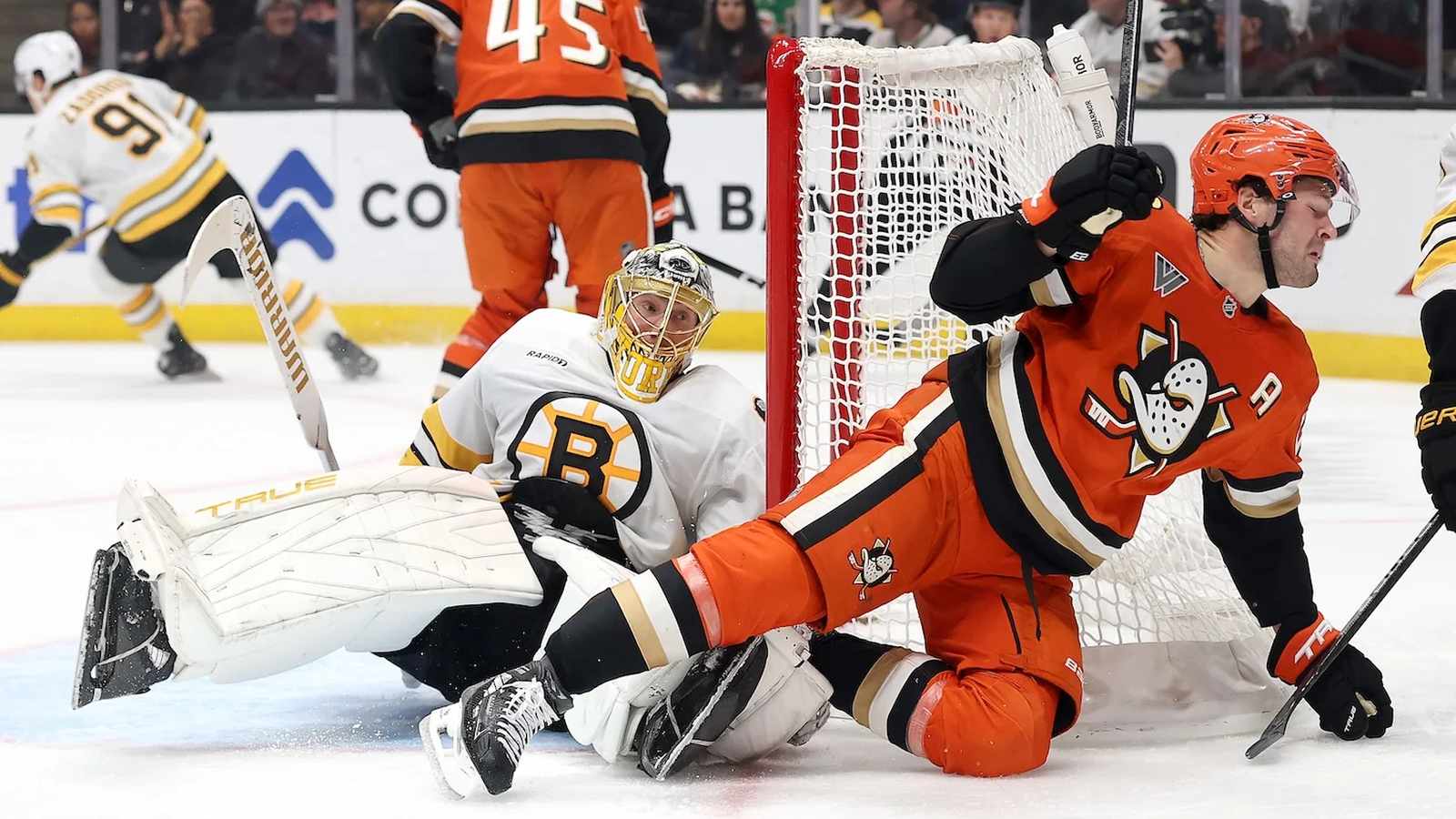
The Bruins have lost four games this season in the final minutes, missing out on valuable overtime points.They are one of only two NHL teams without a single overtime loss (OTL) so far.Boston’s defensive and goaltending stats worsen when games are tied late, ranking among the league’s worst.Historical precedent shows that these lost points can be the difference between making or missing the playoffs.Bruins’ Last-Minute Struggles: A Season-Defining Problem?
Hockey is a game of inches—and minutes. For the Boston Bruins, the difference between a regulation loss and an overtime appearance has rarely felt so razor-thin. As the 2025 NHL season edges past its first quarter, a pattern is emerging that could ultimately define the Bruins’ year: too many crucial points are being lost in the dying moments of close games.
How Close Are the Bruins to a Different Story?
Let’s talk numbers. In four of their ten regulation losses this season, the Bruins were less than six minutes away from pushing the game into overtime. Add a fifth game where they were under ten minutes from safety, and the trend becomes hard to ignore. The result? Boston is waking up four points behind where they could easily be, had they simply held on until the buzzer. In a league as tightly contested as the NHL—where the gap between the best and the second-worst in the Eastern Conference is only eight points—every single one matters.
Players are feeling the sting. “You look back on these [games], and it’s kind of two points we threw away again,” winger Morgan Geekie admitted after a recent loss. Goaltender Joonas Korpisalo, who has been in net for three of these heartbreakers, echoed the frustration: “It sucks to lose in the last five minutes once again.” The repeated nature of these defeats is starting to wear on the team’s collective psyche.
Zero Overtime Losses: A Double-Edged Sword
At first glance, not having a single overtime loss (OTL) might sound like a positive. In reality, it means the Bruins aren’t even managing to claw out a single point in games that are close late. Only one other NHL team—the Winnipeg Jets—can say the same this season, but the Jets have more cushion in the standings. For Boston, those lost points are anything but trivial.
This isn’t entirely new territory. In their historic 2022-23 campaign, the Bruins also went deep into the season without an overtime loss, but their 19-3-0 start left little cause for concern. In less dominant years, however, the consequences of failing to secure those extra points have been severe. The 2016-17 Bruins, for example, only made the playoffs by a single point. In 2014-15, they missed the postseason by two points—despite 14 overtime losses, four of which came in their final nine games. The lesson? Those slivers of opportunity, if left untaken, can define a team’s fate.
What’s Going Wrong in the Final Minutes?
So why are the Bruins faltering when it matters most? The numbers paint a stark picture. When games are tied, Boston is allowing 3.04 expected goals against per 60 minutes—ninth-worst in the NHL. They’re surrendering 13.21 high-danger chances per 60, the sixth-worst rate in the league. And their goaltending tandem, Korpisalo and Jeremy Swayman, have combined for an .877 save percentage in these tied situations, eighth-worst in the NHL. In plain language: when the pressure is highest, their defense and goaltending are cracking.
It’s not just about the stats, though. “We’re in it except the last 10 minutes,” Korpisalo observed. Nikita Zadorov, a defenseman who has seen his share of tight finishes, put it bluntly: “We’re already 25 percent into the season, it’s time to mature a little bit, take responsibility, and play like a man.” The Bruins aren’t lacking fight—they’re known for their refusal to quit, often dragging games back from the brink. But once they’ve clawed their way back, things seem to unravel just as quickly. The final minutes become chaotic, communication breaks down, and those precious points slip away.
History’s Harsh Lessons
Bruins fans don’t need to look far back to see how thin the margin for error can be. In the infamous 2015-16 season, the team needed to win its last game to make the playoffs—only for a bout of food poisoning to sideline Tuukka Rask and end their hopes. They missed the postseason by a tiebreaker. One more point earlier in the year, and that heartbreak could have been avoided entirely.
That’s why these late-game lapses matter so much. In a conference where playoff spots are separated by a handful of points, the difference between an overtime loss and a regulation defeat isn’t just academic—it’s existential.
The Path Forward: Can the Bruins Adapt?
No one is sounding the alarm just yet. Boston remains the second-best team in the Atlantic, and their overall record is solid. But as American Thanksgiving approaches—a traditional marker for assessing playoff probability—the Bruins know that patterns established now have a habit of becoming habits. If they can’t find a way to lock down games in the closing minutes, they risk letting their season slip away, point by point.
There’s no single solution. It’s a matter of poise, focus, and perhaps a touch of luck. But as Zadorov noted, “those points are important.” The Bruins have proven they can hang with the best. Now, they need to show they can finish like them too.
Analysis: The Bruins’ season so far is a cautionary tale in the value of incremental gains. Their inability to secure even a single ‘loser point’ in regulation-tight games highlights a vulnerability that could have outsized consequences in the playoff race. While their resilience is unquestioned, true maturity for this roster will mean learning to protect what they’ve earned—especially in the moments that matter most.