
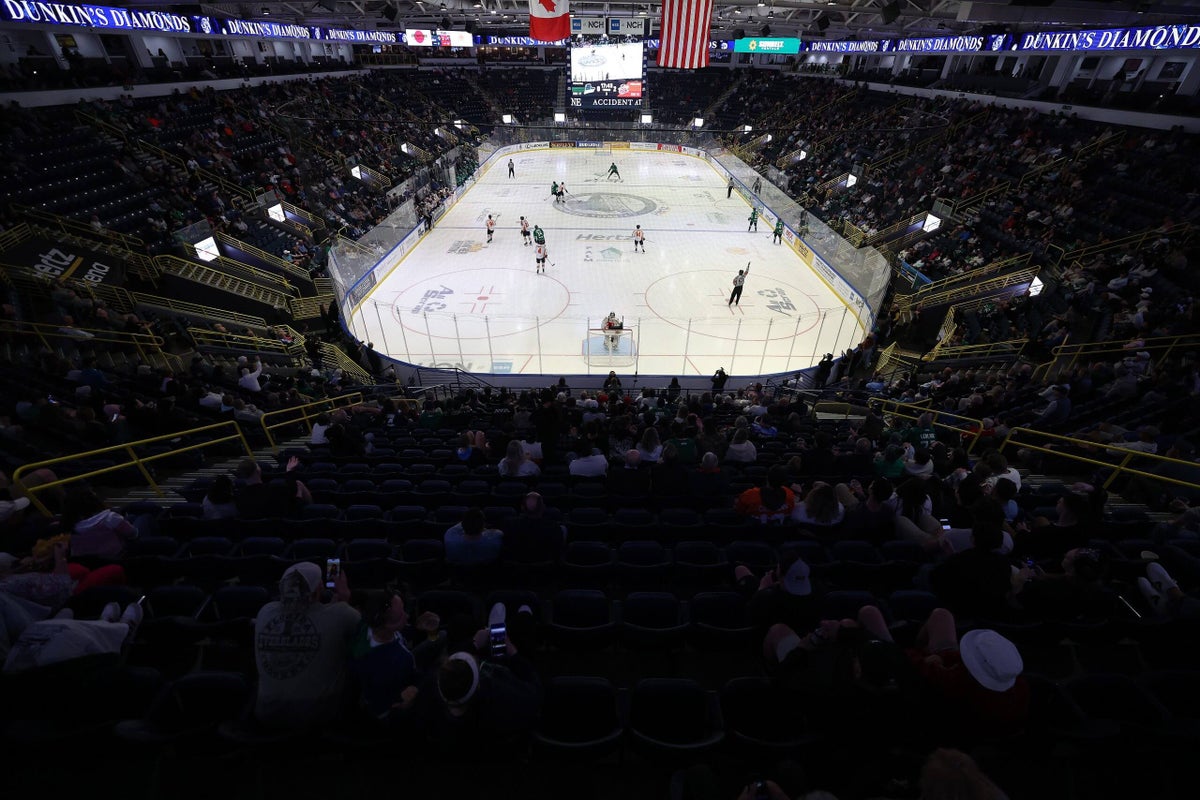
With the NHL’s collective bargaining agreement being extended, painlessly, more than a year in advance of the deadline, it certainly felt like peace was going to be the story in the hockey labor world in 2025-26.
For everyone playing below the NHL level in North America, however, that expectation has not panned out well.
Both the AHL and ECHL have been playing without new CBAs this season, as frayed negotiations have lingered since both agreements expired in the summer. While there’s optimism that a deal with the AHL — the league one rung below the NHL — is imminent, that is not the case for the ECHL, hockey’s version of Double A.
The labor battle remains tense as both sides work to avoid the worst-case scenario of a strike that could stop play midseason.
Last week, the Professional Hockey Players’ Association, which represents more than 1,500 AHL and ECHL players, released an open letter to ECHL fans explaining that the players’ side remains “far apart from the league on several fundamental issues that speak to fairness, respect, and the sustainability of professional hockey at this level.”
According to a separate letter recently sent to every ECHL player and obtained by The Athletic, the PHPA has filed an unfair labor practice charge with the National Labor Relations Board, alleging “bad faith bargaining, unilateral changes to working conditions and lack of financial transparency” during negotiations with the ECHL. The status of the NLRB complaint is unclear.
“While we continue to bargain in good faith and within our legal rights, the ECHL and some member clubs have attempted to intimidate, coerce and threaten some players with retaliatory actions,” the PHPA’s letter to its ECHL players states. “This is unacceptable. We put the league on notice that we will use all available remedies to protect our members.”
ECHL players, meanwhile, “have chosen not to participate in commercial appearances” with their teams so far this season, according to the letter.
We want to keep our incredible fans informed as we work toward a fair agreement that supports everyone in our game. The players remain united and committed to finding common ground so we can focus on the sport we love — and the fans who make it all possible. 🏒💪 https://t.co/ZeY6kwubs4
— Todd Skirving (@ToddSkirving) November 13, 2025
The biggest issues for ECHL players center around pay and travel issues. Many players earn around $525 per week and are only paid during the hockey season, meaning they can earn less than $14,000 a year before deductions.
ECHL teams have a salary cap of $14,600 per week during the season, so players are typically earning, at most, an average of around $730 per week, or less than $20,000 a season, unless they have an NHL or AHL contract that stipulates otherwise. ECHL players are also given basic housing. On the road, they are also provided with a per diem of $53 for food.
“Many of us in this league still earn less than minimum wage,” the players’ open letter to fans states. “On average, a player in the ECHL makes just over half of what the referee will be paid in that same game you watch.
“Even as ticket prices rise and revenue from merchandise, food, and beverages continues to grow, players collectively do not receive a share of these revenues.”
ECHL teams typically travel by bus and cover vast distances, often riding overnight and sometimes spending nearly 30 hours combined in transit on a single weekend to play in two or three games on the road. A recent road trip for the Reading Royals, for example, involved driving 10 hours from Reading, Pa., to play a Friday evening game in Trois-Rivières, Que., then six hours to a Sunday afternoon game in Portland, Maine, before adding another eight hours to return to Pennsylvania.
The schedule can also require playing three games in three nights or four games in five nights, something that isn’t done in higher-level professional leagues. Only some teams have sleeper buses with lie-flat areas for overnight travel.
One of the things the PHPA is pushing for in negotiations is more frequent rest periods and days off as part of a reorganization of the ECHL’s 72-game season. The players also want the right to choose their own protective equipment, improved contract lengths and better benefits.
“Unfortunately, we have not been able to reach an agreement with the league regarding mandatory rest periods,” the players said in their letter. “Rest and recovery are not optional for a professional athlete; they are essential to a player’s performance, health, and safety.”
The PHPA declined comment, citing the delicate state of negotiations with the ECHL. The league released a statement in response to the PHPA’s open letter last week, but did not respond to a request for comment when contacted this week.
“While we may see some aspects of our collective bargaining agreement differently, the league and member teams are committed to continuing the negotiation process for all stakeholders,” the ECHL statement said.
There has been some fan backlash in ECHL markets after the players released their open letter, something that has spurred more negotiations between the PHPA and ECHL this week.
Dozens of younger players on NHL contracts currently play in the ECHL. Some teams have four or five such players on the roster.
All 29 ECHL teams are affiliated with NHL clubs, with only the Carolina Hurricanes, Columbus Blue Jackets and Ottawa Senators lacking a direct connection to the league this season. Teams typically assign prospects to the ECHL in order to get them additional playing time instead of occupying a depth role or press box seat in the AHL, where the level of play is higher and there are higher-paid veteran players.
Sixty players who were on opening day rosters in the NHL this season spent at least some time in the ECHL previously, including skaters such as Tanner Jeannot, MacKenzie Weegar, Ben Chiarot, Carter Verhaeghe, Michael Bunting, Mason Marchment, Yanni Gourde and Dakota Joshua, as well as a decent percentage of NHL goalies.