
The Stanley Cup playoffs have long rewarded longevity as much as brilliance, drawing out careers marked by grit, timing, and an ability to rise when the stakes sharpen. Across eras, certain players carved out postseason paths that seemed almost endless.
Their journeys stretch from shifting rink styles to evolving team identities, each appearance adding another layer to a legacy built under spring pressure. Some returned year after year, outlasting trends while anchoring championship hopes.
From Chris Chelios’ relentless durability to Wayne Gretzky’s vision and clutch performances under the brightest lights, these postseason staples shaped hockey’s most demanding stage.
Which star has played the most games in the Stanley Cup playoffs?
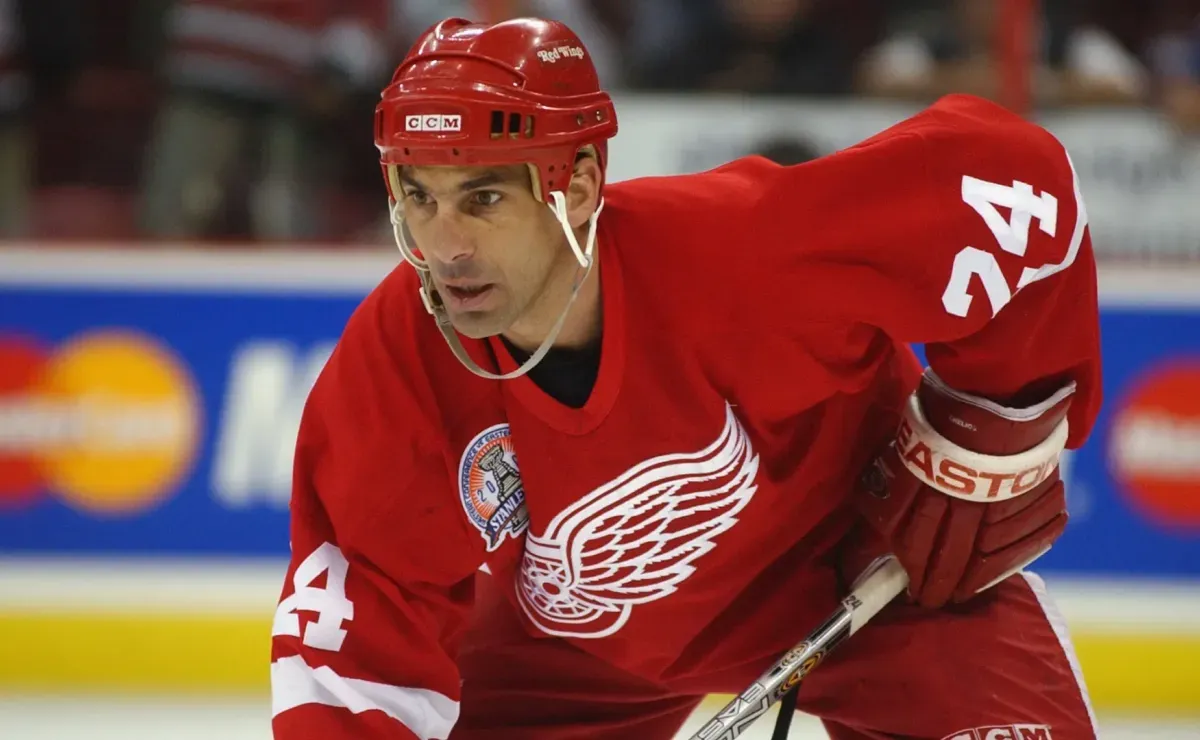
The player who has skated in more NHL postseason games than anyone else in history is Chris Chelios, with a staggering 266 playoff games under his belt. That tally covers a career spanning decades, as he suited up for the Montreal Canadiens, Chicago Blackhawks and Detroit Red Wings.
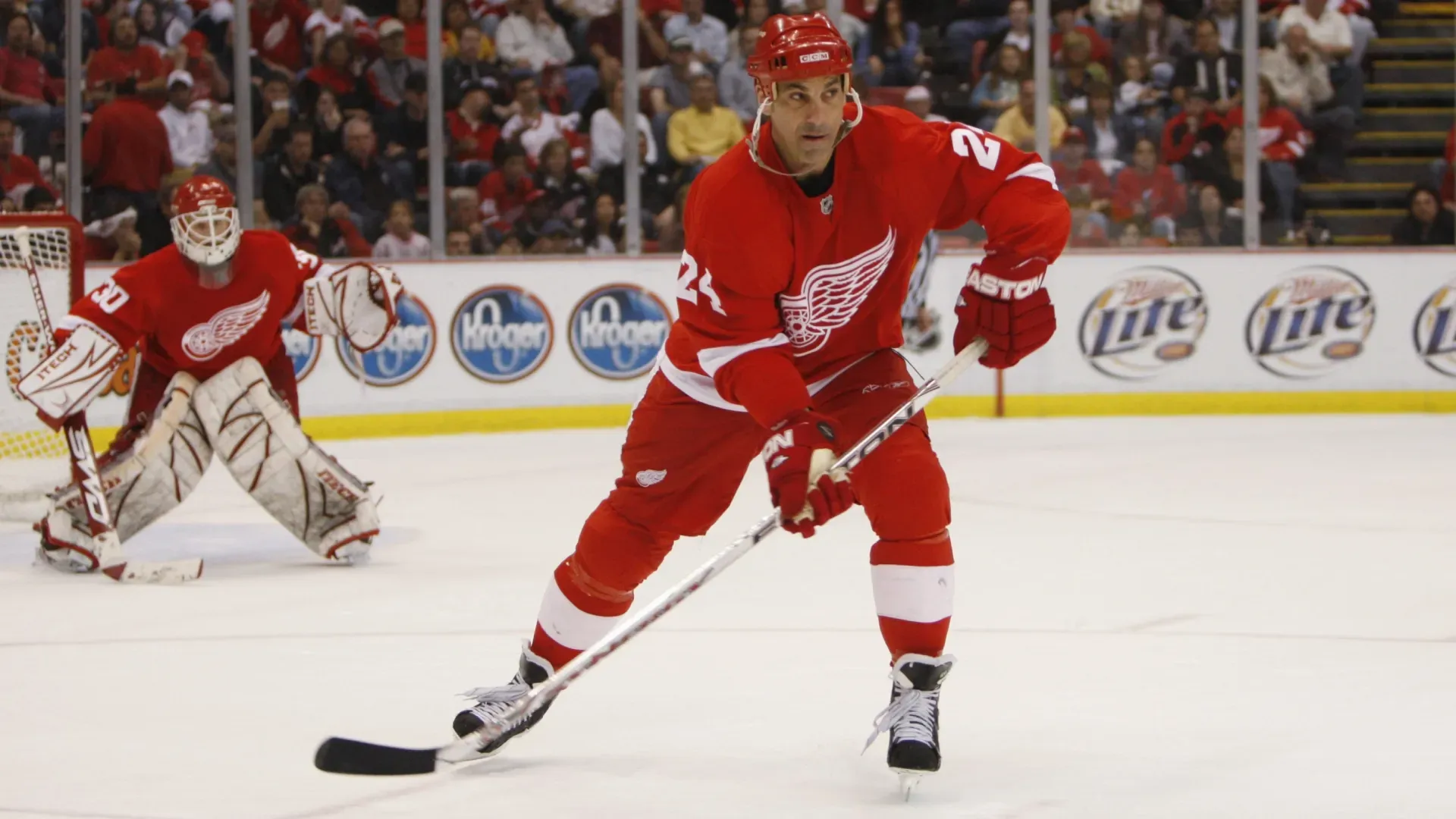
Chris Chelios (Source: Gregory Shamus/Getty Images)
That is a testament to both longevity and consistent postseason presence. But his record isn’t just about games played. He also holds the NHL all-time mark for most seasons appearing in the playoffs, with 24 different postseasons to his name.
Top 15 players with most Stanley Cup playoff appearancesChris Chelios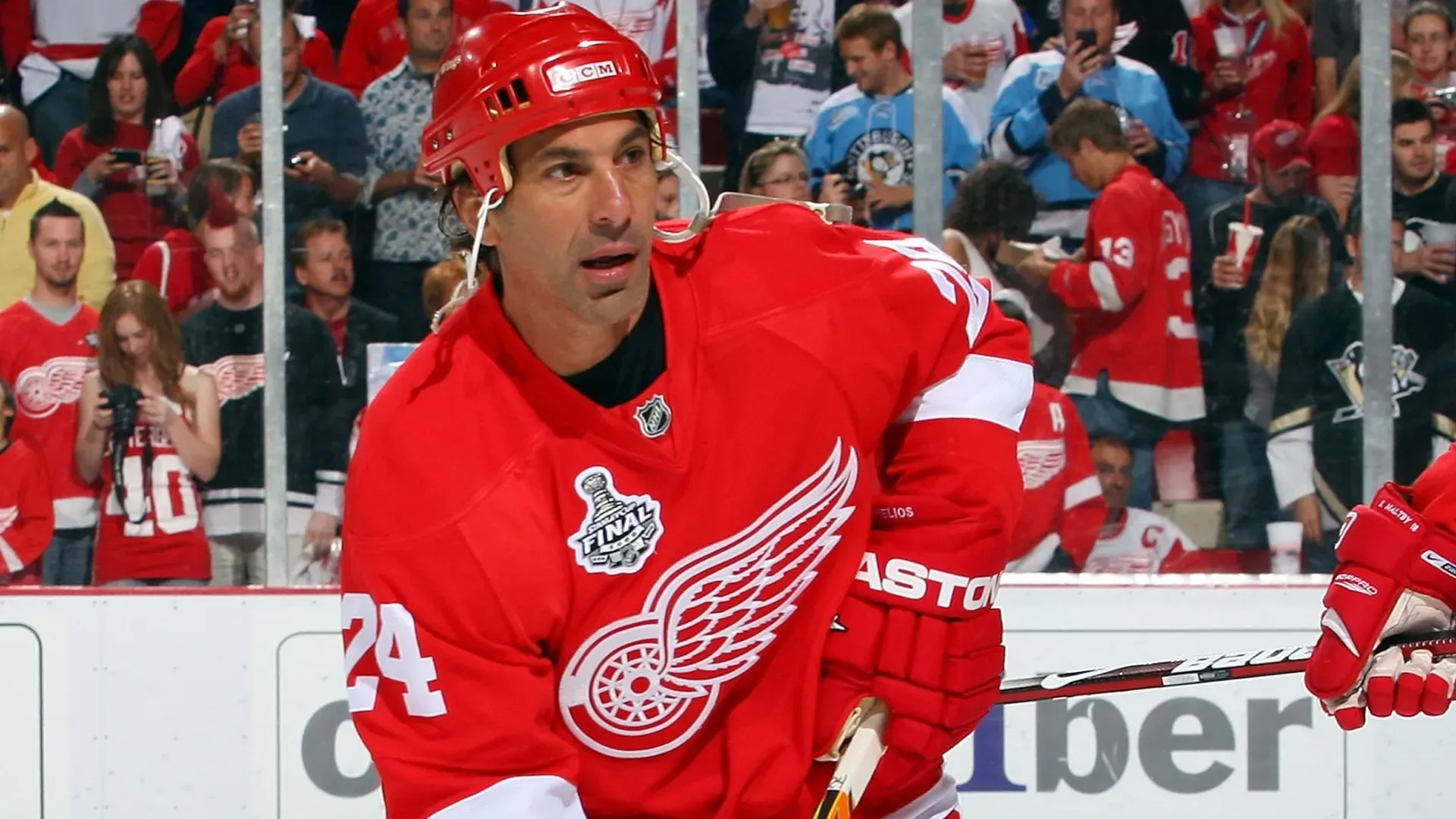
Chris Chelios (Source: Jim McIsaac/Getty Images)
Few names in NHL history embody endurance like Chris Chelios. With 266 playoff games — the all-time record in league history — he stands as the ultimate “postseason veteran.”
What makes his mark unique isn’t just the sheer number of games, but the span of his playoff career: from the early 1980s into the late 2000s, navigating different eras, teams and styles. His ability to remain relevant — even into his 40s — speaks to rare durability and a commitment to earn every shift when the stakes were highest.
In the narrative of NHL postseason lore, he isn’t celebrated for flash — but for persistence: from Montreal to Chicago to Detroit, he followed the ice wherever deep runs were possible, turning “just another season” into an opportunity to extend a legendary playoff résumé.
Nicklas Lidstrom
Nicklas Lidstrom (Source: Bruce Bennett/Getty Images)
In a league often defined by ferocity and flare-ups, Nicklas Lidstrom carved out an identity defined by calm, consistency and defensive excellence. His 263 playoff games — second-most in NHL history — tell a story of unwavering presence.
Across two decades in Detroit, his postseason runs became almost routine — but routine in the sense of high performance, not complacency. He was a rock at the back, rarely flashy but always dependable, giving his teams the composure they needed when every bounce and reaction could decide a series.
That steadiness translated into both respect and results: his longevity anchored multiple deep playoff campaigns, defining him not just as a star by stats, but as a foundation — the kind of defenseman whose presence reassured teammates, fans, and coaches alike when playoffs arrived.
Corey Perry
Corey Perry (Source: Steph Chambers/Getty Images)
What makes Corey Perry’s playoff résumé compelling is not nostalgia, but sheer survival — and adaptation. With 237 playoff games, he ranks among the NHL’s all-time leaders, a rare feat for a forward in a sport where youth and speed often dominate.
His postseason contributions are far from passive. Over those games, he collected 64 goals and 77 assists — a total of 141 points — proving useful not only for his presence on the roster but for tangible production when series mattered.
His career has seen team changes, evolving roles, and shifting ice time — yet whenever the playoff bell rang, he found a way back into the mix. More than almost any other forward, he embodies the notion of “playoff journeyman”: a player neither always in the spotlight nor always dominant but consistently present.
Mark Messier
Mark Messier (Source: Tim Smith/Getty Images)
When the ice felt colder and the crowd louder, Mark Messier often emerged as the kind of presence teams leaned on. With 236 playoff games, his postseason journey is among the longest for a forward in NHL history.
What set him apart was less about flashy numbers and more about heart — a brand of leadership that transcended lines, rosters, even teams. On those playoff nights, whether as star scorer or veteran mentor, he carried with him a psychological weight: the confidence others could feed off when everything hung in the balance.
That intangible — the willingness to step up when it mattered — turned seasons into legacies. His career reminds us that playoff longevity isn’t just about stamina; it’s often about influence, character, and being the kind of figure teammates trust when the game is on the line.
Claude Lemieux
Claude Lemieux (Source: Harry How/Getty Images)
Few players in postseason history embraced chaos like Claude Lemieux. With 234 playoff games, he ranks among the top in NHL history but what defines him isn’t just games played, but the intensity and unpredictability he brought to those nights.
He wasn’t always the cleanest star, he was the kind of player who thrived on tension, physicality, and getting under opponents’ skin. In playoffs, that willingness to push boundaries often translated into momentum swings: in tight games, he had a knack for tipping the balance, even when he wasn’t leading the scoring charts.
In retrospect, his legacy isn’t just numbers. It’s impact: the kind of presence that made rival players wary, teammates rally and series shift direction. For all his flaws, he remains a prototype of the postseason agitator whose mere presence demanded attention.
Scott Stevens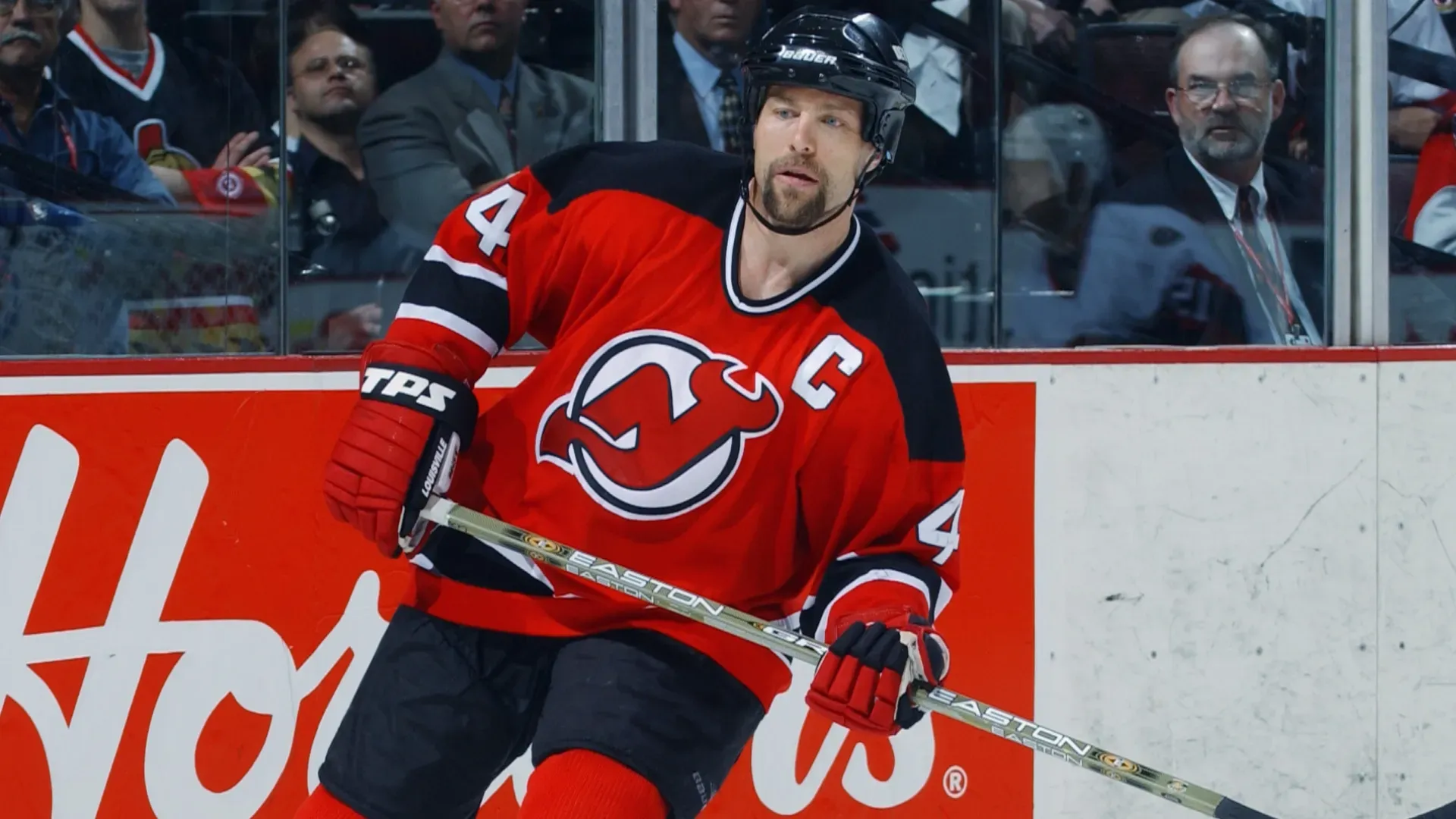
Scott Stevens (Source: Dave Sandford/Getty Images/NHLI)
In an era that increasingly venerates scoring, Scott Stevens stands out as a testament to the power of defense. With 233 playoff games, he ranks among the top defenders in NHL postseason history, a quiet record in a game that loves noise.
He wasn’t about flash; he was about reliability. A gritty, physical anchor who seldom made highlight-reel plays, but often changed the tone of a series before the puck even dropped.
Night after night, series after series, he brought consistency: size, presence, and a willingness to meet any challenge at the blue line. In a league filled with goal scorers and flashy forwards, he reminded everyone that defense remains the backbone of postseason success.
Guy Carbonneau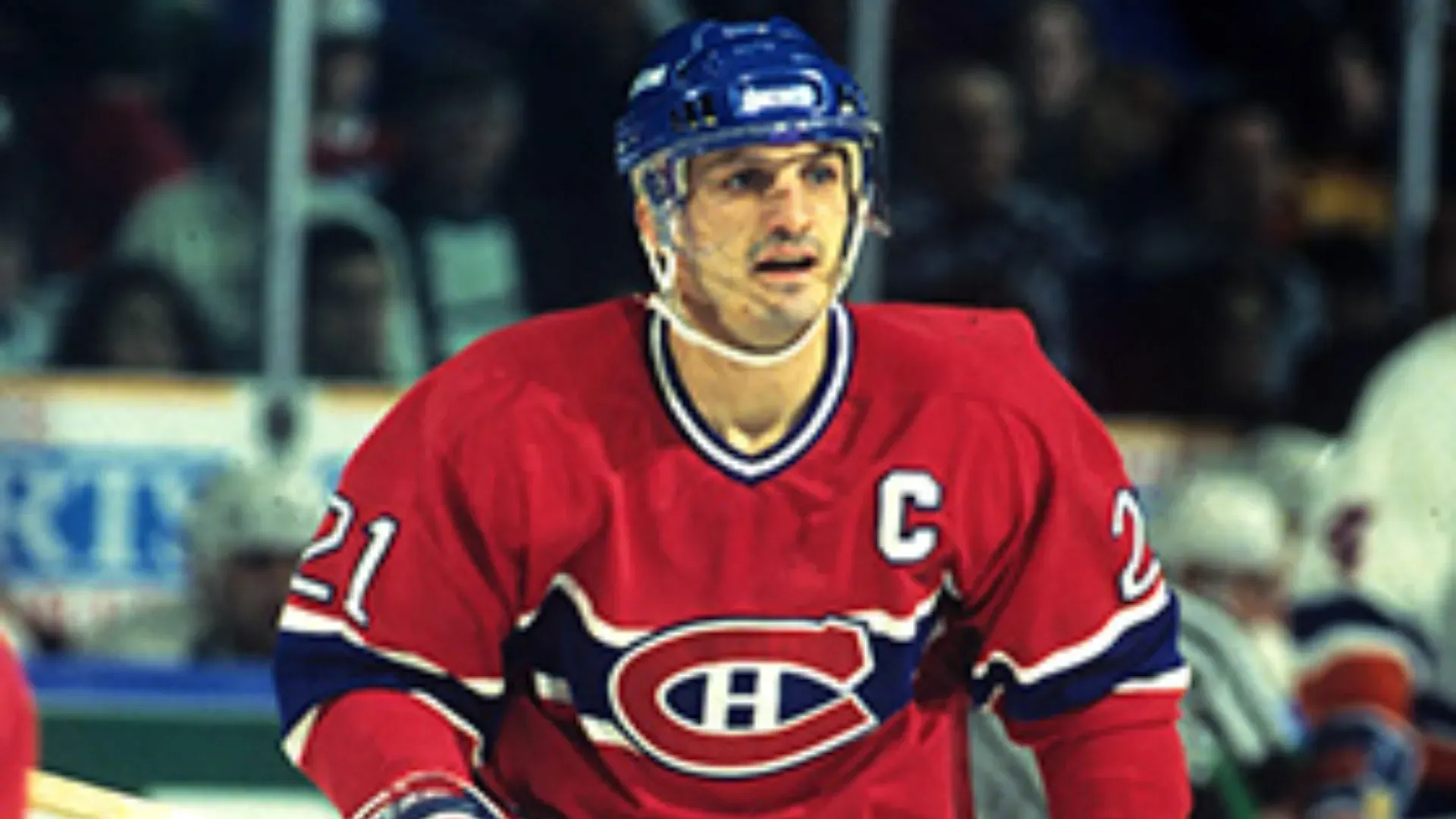
Guy Carbonneau (Source: Hockey Hall of Fame)
Guy Carbonneau earned his reputation as the player who quietly rises when the pressure is highest. With 231 playoff games, he firmly sits in the NHL’s top ten all-time.
In those games, he tallied 38 goals and 55 assists, totaling 93 points. These numbers may not scream “superstar,” but they reflect his balance between offensive contributions and defensive responsibility.
More importantly, he excelled in ways not captured by stats. A two-way forward, he shut down opponents, recovered pucks, and executed the gritty, unglamorous work that often decides playoff games. His consistency made him indispensable in every deep playoff run.
Larry Robinson
Larry Robinson (Source: Bruce Bennett/Getty Images)
Larry Robinson was the archetype of defensive dominance. Across 20 NHL seasons, he played 227 playoff games, an extraordinary feat for a defenseman. But he was more than a wall on the ice. He contributed 28 goals and 116 assists in postseason play, proving he could lead breakout plays and join offensive rushes when needed.
His legacy lies in his consistency. Even when teams struggled or leagues shifted, he remained a steady, unmovable force — the kind of player coaches rely on to anchor defensive schemes during the most critical moments.
Glenn Anderson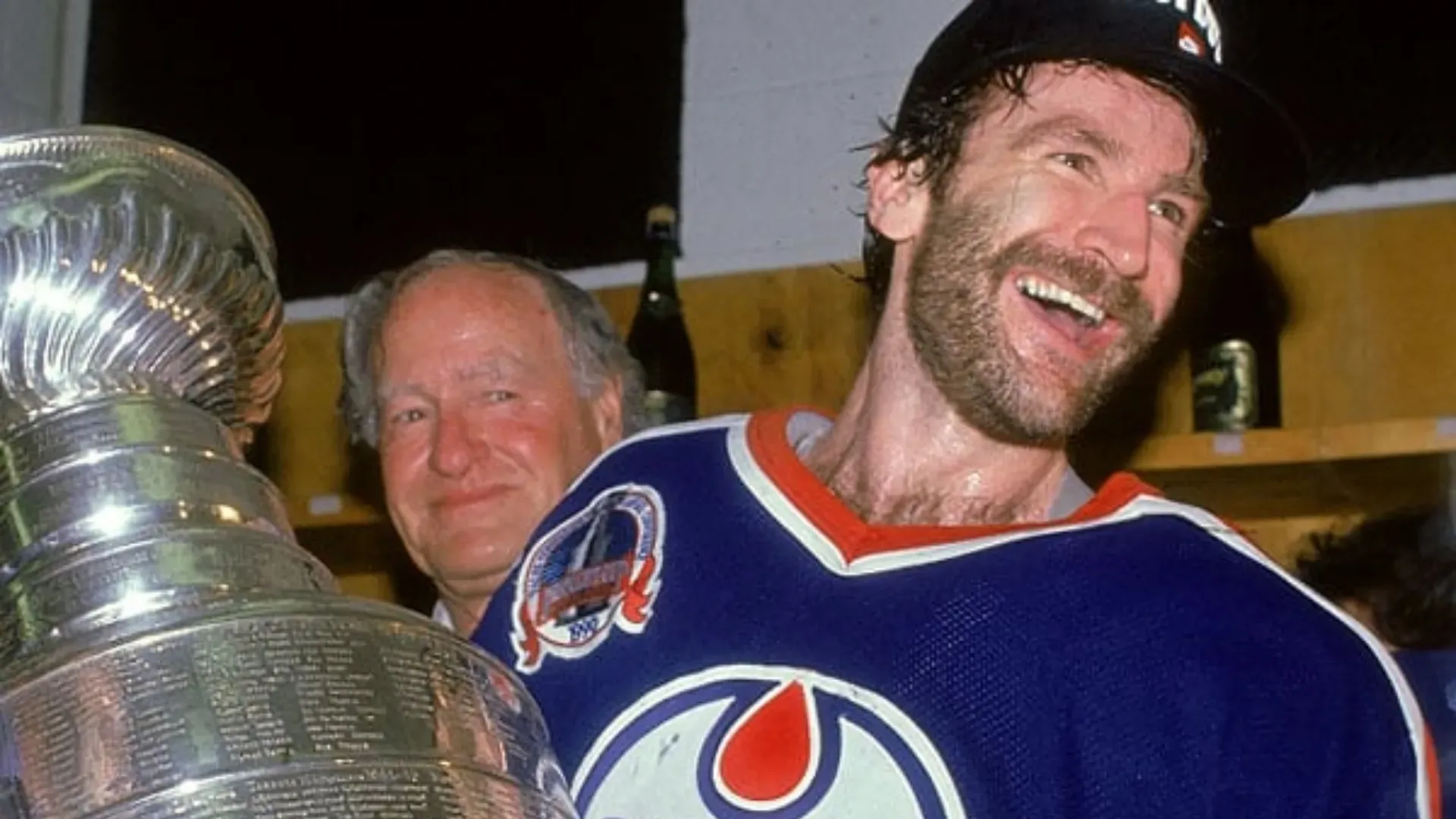
Glenn Anderson (Source: The Hockey News)
Glenn Anderson earned the nickname “money player” for a reason. With 225 playoff games, he was known for stepping up at critical moments, delivering clutch goals and timely assists.
Over his postseason career, he recorded 93 goals and 121 assists, totaling 214 points — a testament to his consistent offensive threat when the pressure was highest.
More than stats, his legacy is defined by his ability to change series. In tight, defensively oriented playoff games, his scoring instincts provided a decisive edge, making him one of the most feared forwards of his era.
Kris Draper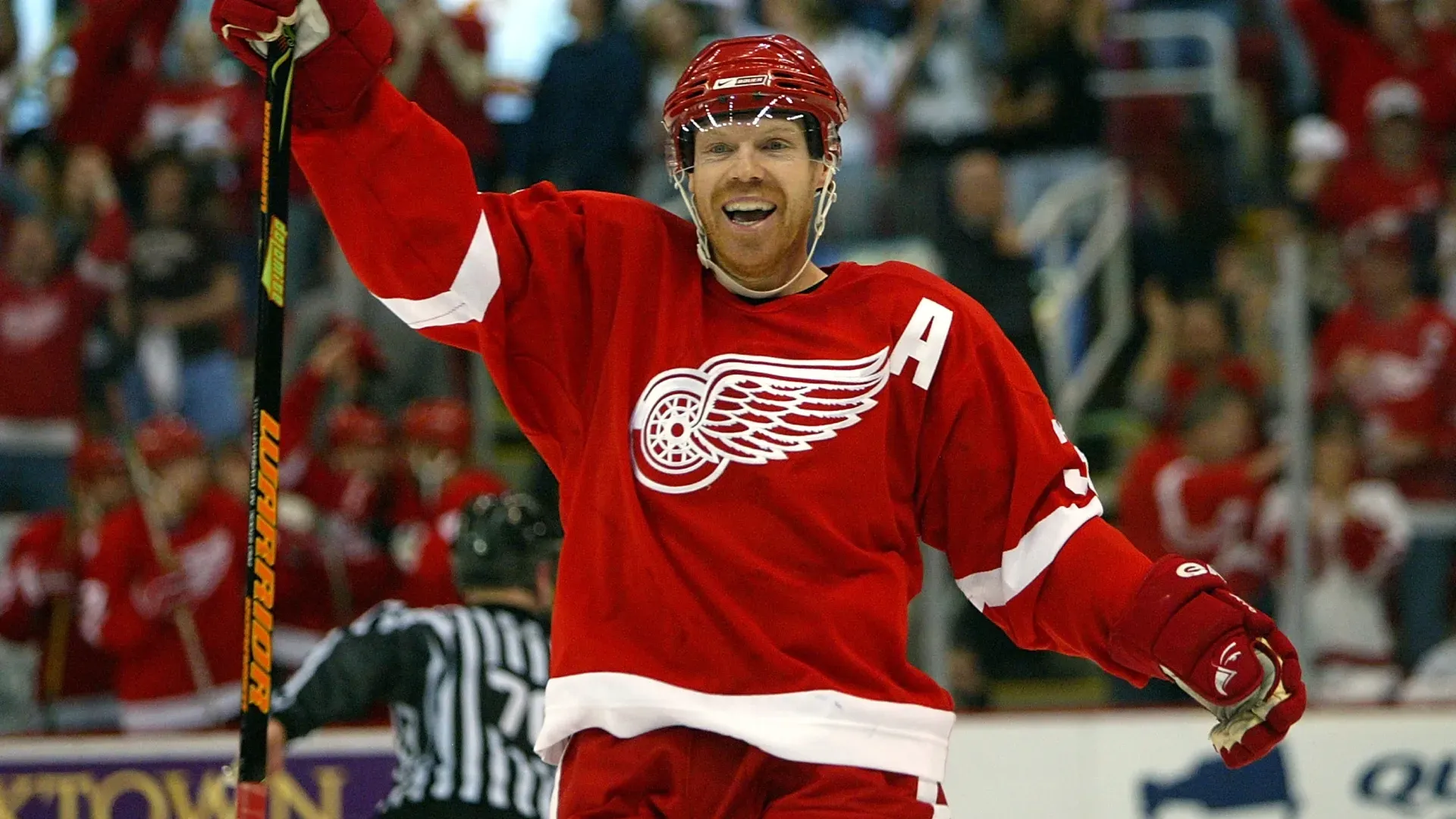
Kris Draper (Source: Dave Sandford/Getty Images)
Kris Draper thrived in roles often overlooked by fans: defensive responsibility, energy, and consistency. He played 222 playoff games, placing him among the NHL’s postseason stalwarts.
While he tallied only 46 points (24 goals, 22 assists), his value was in controlling play, killing penalties, winning faceoffs, and checking opponents — the subtle work that allows stars to shine.
His longevity in playoffs speaks volumes about discipline, reliability, and the trust coaches placed in him. He exemplifies the indispensable supporting player whose work often tips the balance in long, grueling series.
Bryan Trottier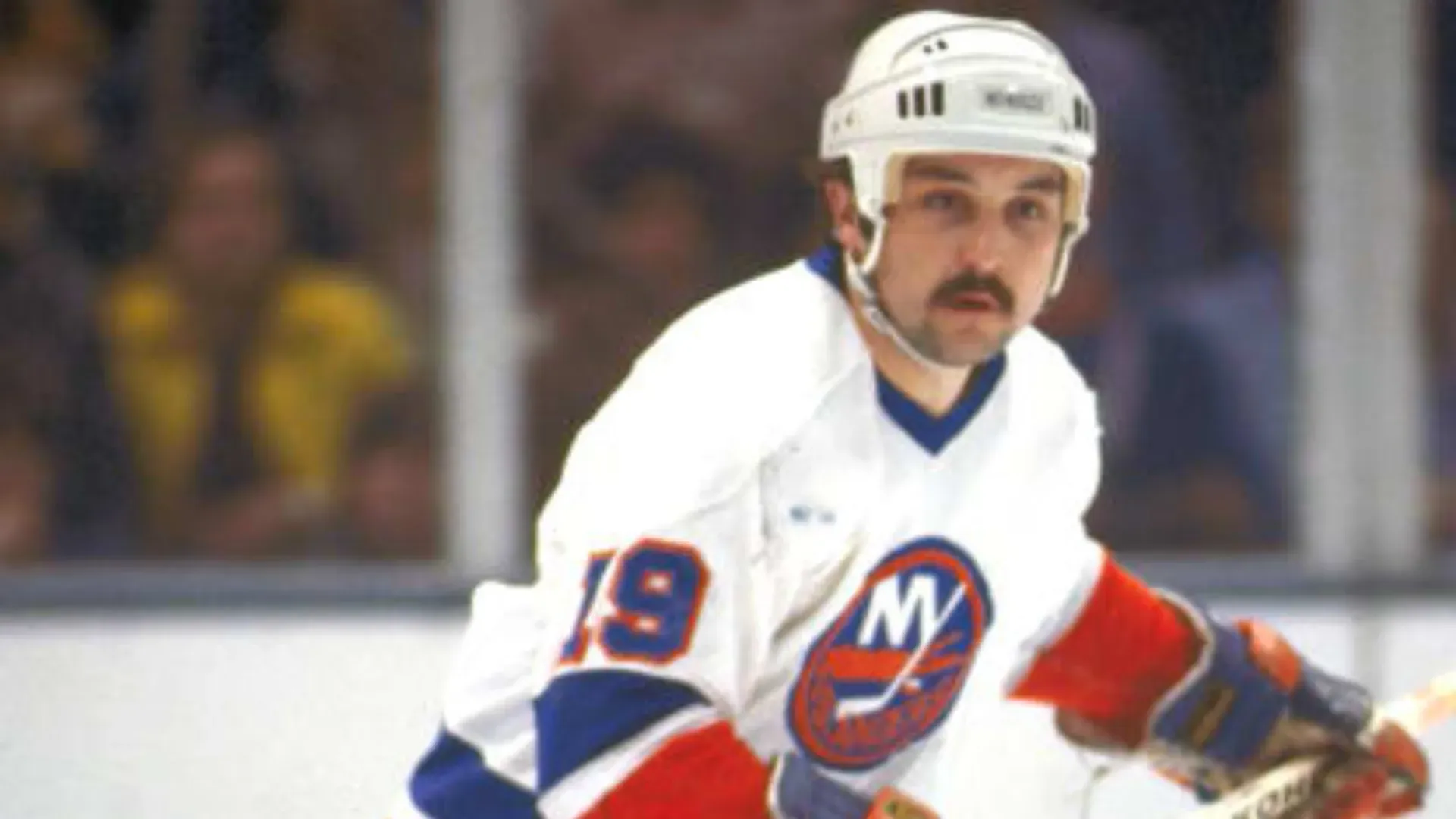
Bryan Trottier (Source: NHL)
Bryan Trottier experienced the intensity of multiple franchises — Islanders and Penguins — in multiple postseasons. With 221 playoff games, he ranks among the NHL’s elite in postseason appearances.
His impact went beyond raw numbers. He provided experience, poise and strategic awareness, the kind of veteran presence that steadies teams during critical series.
Some remember him for clutch goals, others for leadership off the puck. He demonstrates that playoff success often requires more than talent: it demands calm, experience, and readiness when the stakes are at their peak.
Mike Keane
Mike Keane (Source: Jeff Vinnick/Getty Images)
Mike Keane built a career not on flash, but on hard‑nosed dependability and a knack for being exactly what his teams needed when the ice got hottest. Over 220 career playoff games he amassed 34 goals and 40 assists, totaling 74 points.
Undrafted yet versatile, he carved out 16 solid NHL seasons across several teams — from the historic run with Montreal Canadiens, to championships with Colorado Avalanche and Dallas Stars.
In a league of stars, he thrived as a reliable “glue guy,” a competitor willing to do the forechecking, blocking, chipping in offense and contributing physically when needed. His postseason résumé speaks to endurance, versatility and a certain blue‑collar resilience.
Larry Murphy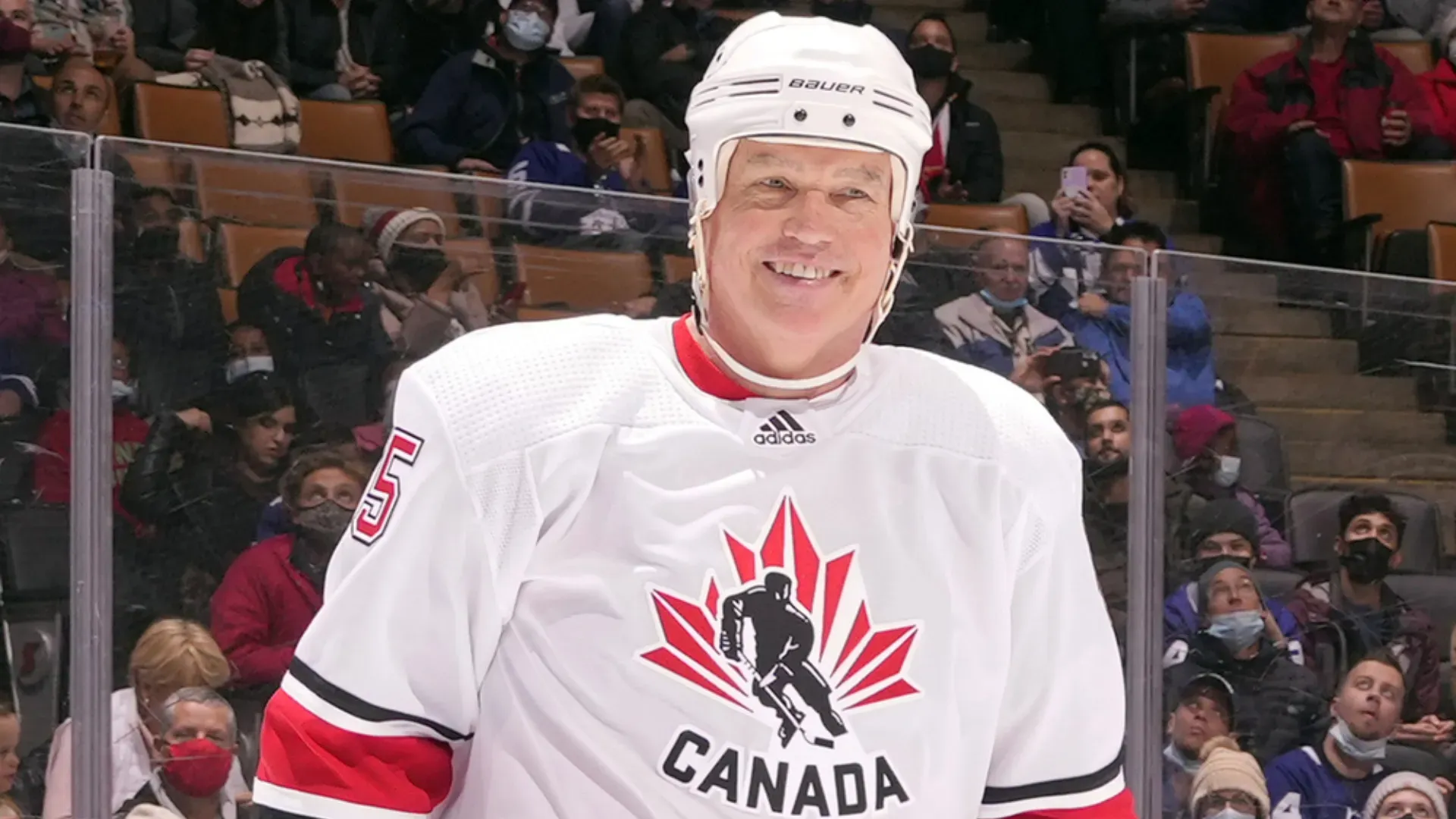
Larry Murphy (Source: NHL Auctions)
With 215 NHL playoff games under his belt, Larry Murphy cemented his place among the league’s most consistent postseason defenders. He combined defensive acumen with offensive polish — over his postseason career he posted 37 goals and 115 assists, totaling 152 points.
That dual skill set made him a valuable asset on blue lines across multiple franchises, and helped him contribute to four Stanley Cup titles (among other deep playoff runs).
In playoff series defined by tight checking and physicality, he brought composure and reliability. He was a defenseman who could calm chaos, keep control, and whenever needed, jump into the play — a rare blend that earned him respect from teammates and opponents alike.
Ray Bourque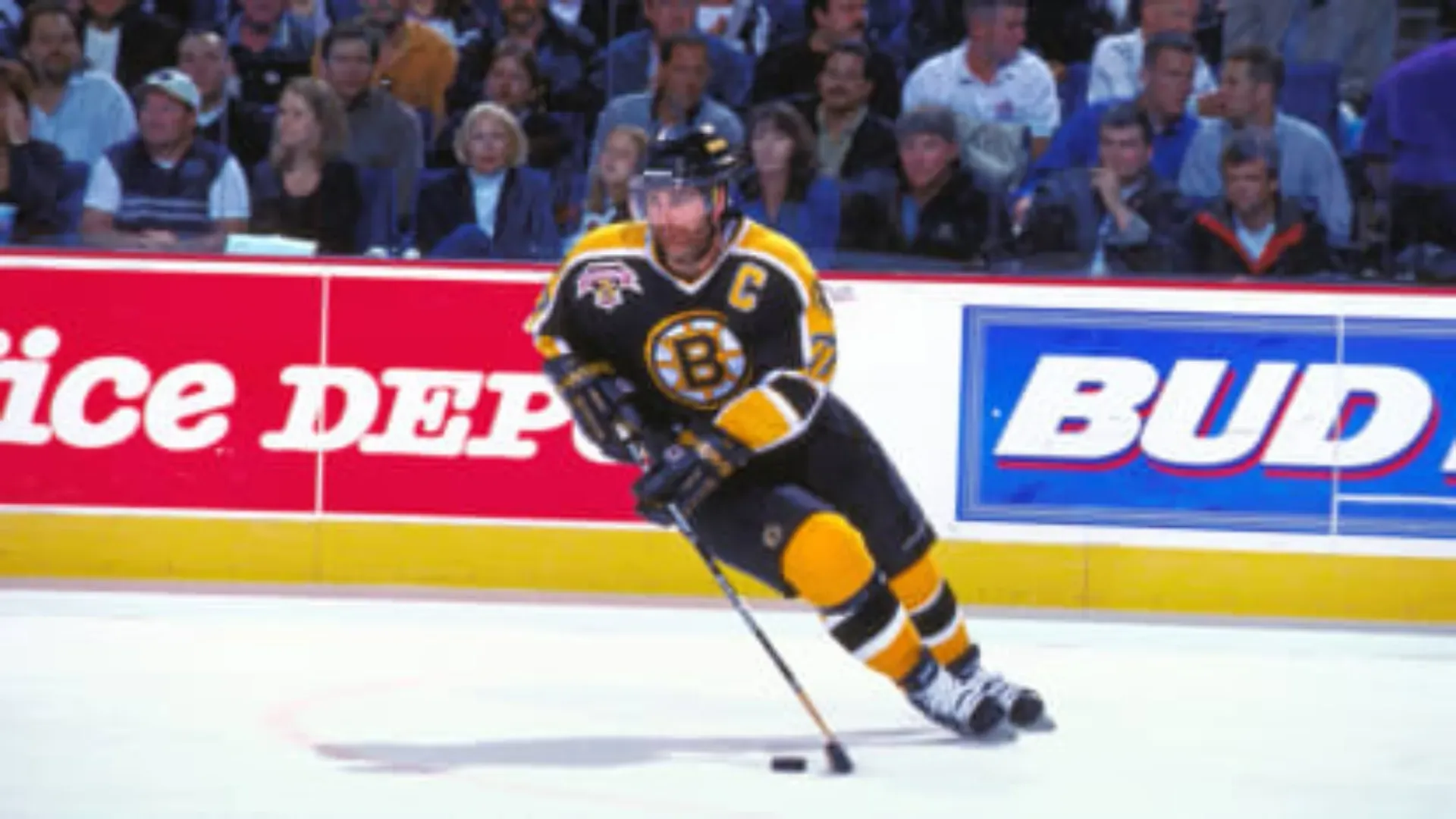
Ray Bourque (Source: NHL)
Ray Bourque sits among the iconic defenders of his era, with 214 playoff games that reflect both excellence and perseverance. Despite the weight of expectations and many years of postseason heartbreak, his career culminated in a fairy‑tale finish. In his final NHL season, he finally captured the ultimate prize — a long‑awaited championship that crowned decades of elite play.
More than statistics or accolades, his legacy lies in consistency. As an offensive-minded defenseman who remained defensively responsible even in the toughest playoff moments, he proved that longevity, steady high-level performance, and an unyielding will can define greatness just as much as pure talent.
Kevin Lowe
Kevin Lowe (Source: The Hockey Writers)
Kevin Lowe racked up 214 postseason games — a testament to his durability and the trust coaches put in him across eras. In a career built more on structure and team defense than flashy numbers, he contributed modestly on offense (10 goals, 48 assists in the playoffs), but his real value was in reliability: staying healthy, staying disciplined, and providing a steady presence when games were gritty and momentum shifted fast.
A foundational piece on multiple championship contenders, he symbolizes the often‑underappreciated backbone of postseason squads: the defender who absorbs pressure so that others can shine.
PlayerGames playedTeamsChris Chelios266MTL, CHI, DETNicklas Lidstrom263DETCorey Perry237ANA, DAL, MTL, TBL, EDMMark Messier235EDM, NYRClaude Lemieux234MTL, NJD, COL, PHX, DAL, SJSScott Stevens233WSH, STL, NJDGuy Carbonneau231MTL, STL, DALLarry Robinson227MTL, LAKGlenn Anderson224EDM, TOR, NYR, STLKris Draper222WIN, DETBryan Trottier221NYI, PITMike Keane220MTL, COL, DAL, VANLarry Murphy215LAK, WSH, MNS, PIT, TOR, DETRay Bourque213BOS, COLKevin Lowe213EDM, NYRJaromir Jagr208PIT, WSH, NYR, PHI, BOS, FLAWayne Gretzky207EDM, LAK, STL, NYRMarian Hossa205OTT, ATL, PIT, DET, CHIBrett Hull202CGY, STL, DAL, DETScott Niedermayer202NJD, ANA(Source: NHL Records and Statmuse)