
The Ottawa Senators general manager, Steve Staios, has made it pretty clear what he’s looking for. The Senators need help up front — not another finesse project, not a long-term lottery ticket, but a forward who can actually play playoff-style hockey. Someone who finishes checks, chips in secondary scoring, and doesn’t disappear when games get tight.
That’s where Kiefer Sherwood keeps popping up.
The Senators (and Other Playoff Teams) Should Be Interested in Sherwood
From Ottawa’s point of view, the appeal is obvious. Sherwood plays hard. He skates well, hits everything that moves, and doesn’t need sheltered minutes to be effective. He fits the Senators’ identity, especially alongside players like Brady Tkachuk, where effort and edge matter just as much as skill. He’s also carrying an affordable contract, which counts for something on a roster that’s already juggling cap pressure.
But liking the player and paying the price are two very different things.
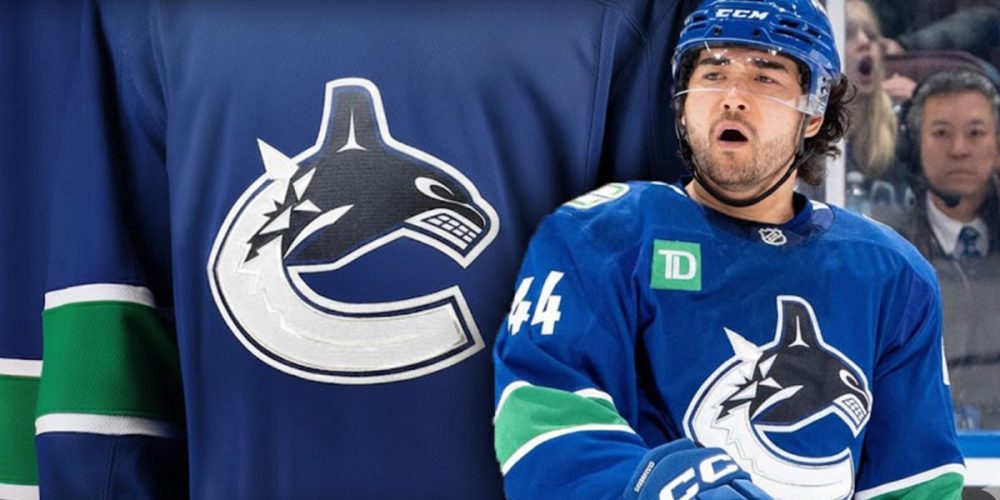 Would Kiefer Sherwood be worth a first-rounder if the Canucks traded him?
The Case For Paying the Canucks’ Price of a First-Round Pick
If you’re Ottawa, you can argue this pretty simply: first-round picks don’t help you if your team never takes the next step. Sherwood isn’t a star, but he’s a reliable top-nine winger who can score, kill penalties, and survive playoff hockey. Those players don’t grow on trees.
He’s also producing right now. Two hat tricks this season don’t happen by accident. Sherwood has shown he can finish when opportunities come, and that matters for a Senators team that often leans too heavily on its top line. Add in his physical presence, and suddenly Ottawa looks harder to play against — something this group has lacked.
If Staios believes the window is opening, not waiting, then paying a first-rounder becomes less about value charts and more about momentum.
The Case Against Paying the Canucks’ Price of a First-Round Pick
Here’s the problem: first-round picks are premium currency, and Sherwood is still a middle-six winger. He’s very useful, but in his career, he hasn’t been a game-breaker.
Vancouver knows this, which is why they’re asking high. Sherwood is thriving in their system, and there’s no urgency to move him. From Ottawa’s side, that creates a dangerous situation: overpaying simply because the fit looks clean.
There’s also a risk in assuming his production travels. What works in Vancouver doesn’t always translate elsewhere, especially for role players whose value comes from chemistry and deployment. Giving up a first-round pick for a player who tops out as a strong complementary piece can come back to haunt you — especially if the Senators still aren’t true contenders afterward.
So What’s the Right Call for the Senators?
This feels like one of those trades that says more about where Ottawa thinks it is than about Sherwood himself. If Staios believes the Senators are ready to push forward now, the price might make sense. If not, patience is probably the smarter play.
Sherwood is a good hockey player. The question isn’t whether he helps — it’s whether he helps enough to justify the cost. And that’s where this debate really lives.
Related: What Comes Next for Brock Boeser in Vancouver?