
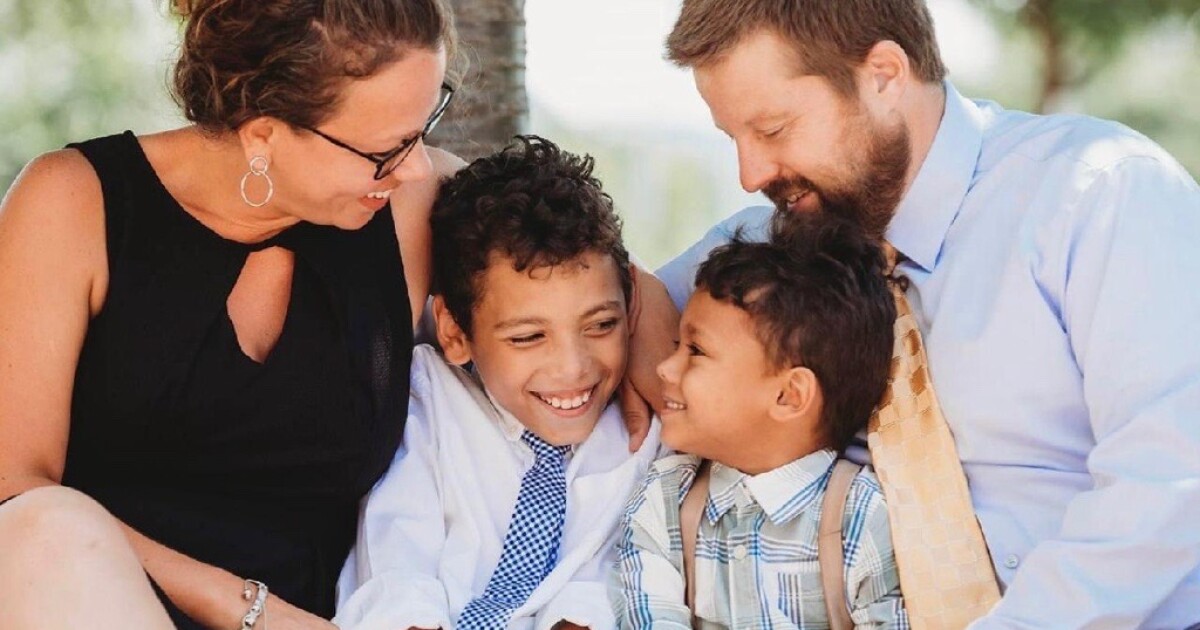
Tom Conroy always wanted to play hockey, but his heart condition prevented him from playing any contact sports. At birth, Conroy was diagnosed with congenital heart disease, and at 18 months he had his first heart surgery.
“Unfortunately, that procedure, I guess, deteriorated, or it didn’t hold up the way they thought,” Conroy said.
Doctors thought Conroy would at least be in his 40s before things began to fail, but while in college he began feeling ill.
“I couldn’t get a full gasp of air,” Conroy said. “And when I was sleeping, I’d have to sit up, right. So, it was very uncomfortable.”
Doctors said his heart was enlarged, and a transplant was needed. And after waiting two and half years on the transplant list, Conroy had a match. He remembers Dr. LeWay Chen delivering the news while he lay in his hospital bed.
“Instantly, a whole bunch of emotions just run through you,” Conroy said. “Like, finally, it’s here. But then you’re also nervous because you’re about to go through this big procedure.”
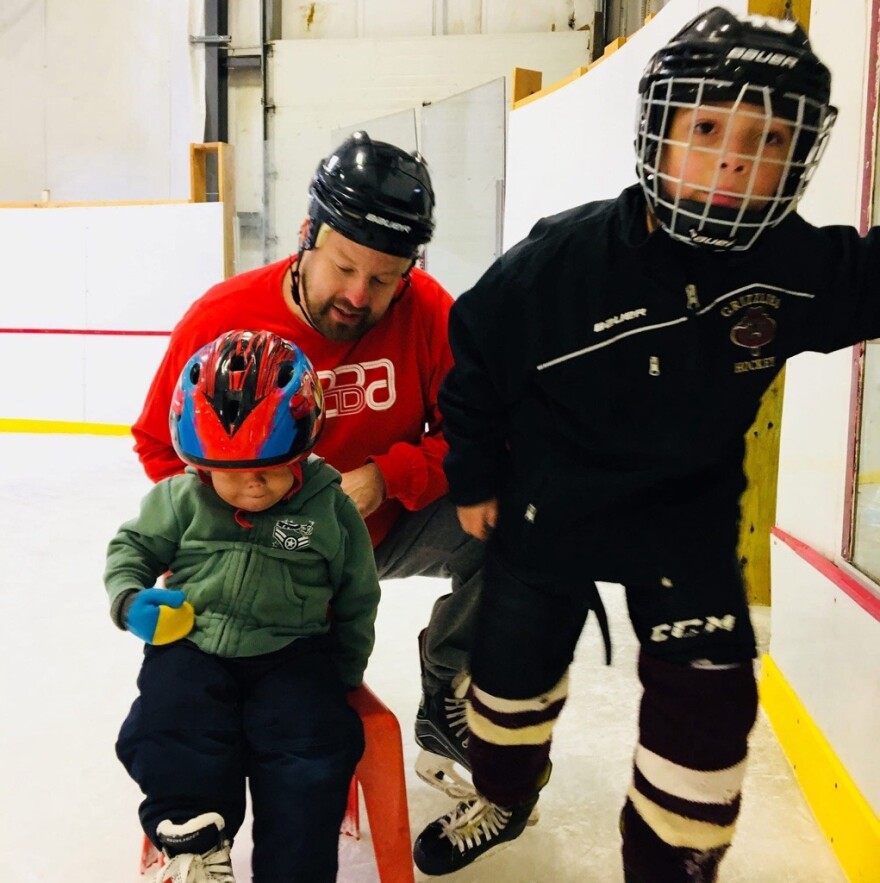
Tom Conroy always wanted to play hockey. But his heart condition prevented him from playing any contact sports. Twenty-five years after his heart transplant and he plays for leisure with his sons.
Strong Memorial Hospital began doing heart transplants 25 years ago, and Conroy became the third person to undergo the procedure.
Chen, who’s now the director of the advanced heart failure program at the University of Rochester Medical Center, was part of the four-person team that performed the operation. He said that since then, 394 transplants have been done at Strong.
“The person’s life, which goes from a trajectory of maybe not being here six months from now or a year from now, to hopefully having many more years of life, is amazing,” Chen said.
Chen said a lot of medical advancements have been made within the past two and a half decades to improve results, like “the surgical techniques, the preservation techniques of the donor organs, the medications, and the surveillance for rejection.”
“Those are its science, but it is still a miracle to pull it off,” Chen said.
He said the program is always looking at ways besides transplants to treat the heart. He said heart pumps and other medical therapies are being used preliminarily to avoid this big surgery.
“The heart is such an important organ, and transplants is a very important treatment, but we were constantly trying to do better,” Chen said.
As for Conroy, he said he finally got to play hockey. And his sons are active players.
“I still play once in a while to this day,” Conrad said. “I love it. It’s just a great sport.”