
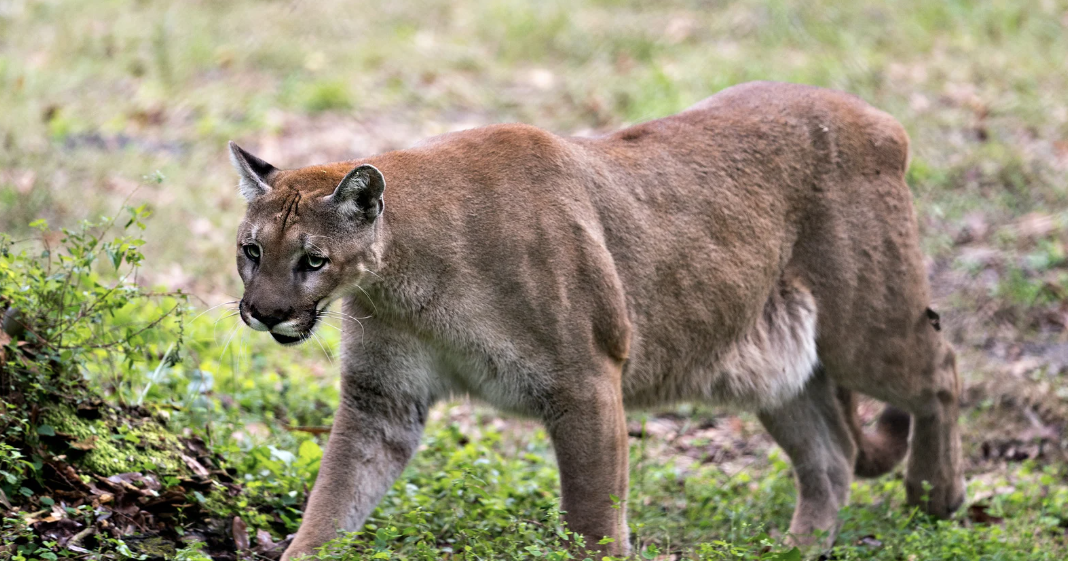
The Florida panther, since 1982 the state’s official animal and one of North America’s most endangered mammals, is facing new threats as development spreads across South Florida and sea levels continue to rise.
A recent report by Inside Climate News highlights growing concerns among conservation groups about habitat loss in the panther’s last remaining stronghold in southwest Florida. Scientists estimate that only about 120 to 230 panthers remain in the wild, confined to a small portion of their historic range in the Everglades region and surrounding lands.
Much of that habitat is already under pressure from development. A proposed 10,000-acre mixed residential and commercial project in Collier County could destroy nearly 5,000 acres of panther habitat, prompting environmental groups to challenge federal approvals in court.
But development is only part of the problem.
Climate projections suggest that South Florida’s tides could rise by about half a meter (roughly 1.6 feet) by 2040 and as much as one meter by 2070, according to the U.S. Fish and Wildlife Service. Even the lower estimate would mean the loss of 973 square kilometers – about 11 percent – of remaining panther habitat.
The panther already occupies less than 5 percent of its historic range, largely in remote swamps, prairies and forested lands that also play a critical role in the Everglades watershed and South Florida’s water supply.
Conservation advocates warn that the combination of development, climate change and shrinking federal resources could push the species closer to extinction.
“This is the panther’s last stand,” one conservation leader told Inside Climate News, warning that continued habitat loss could leave the big cats with nowhere left to recover.
For South Florida, the fate of the Florida panther is more than a wildlife story. It is also a reminder of how rising seas and rapid growth are reshaping the region’s natural landscape and the ecosystems that sustain both wildlife and people.
Read the full Climate News report by clicking here.