
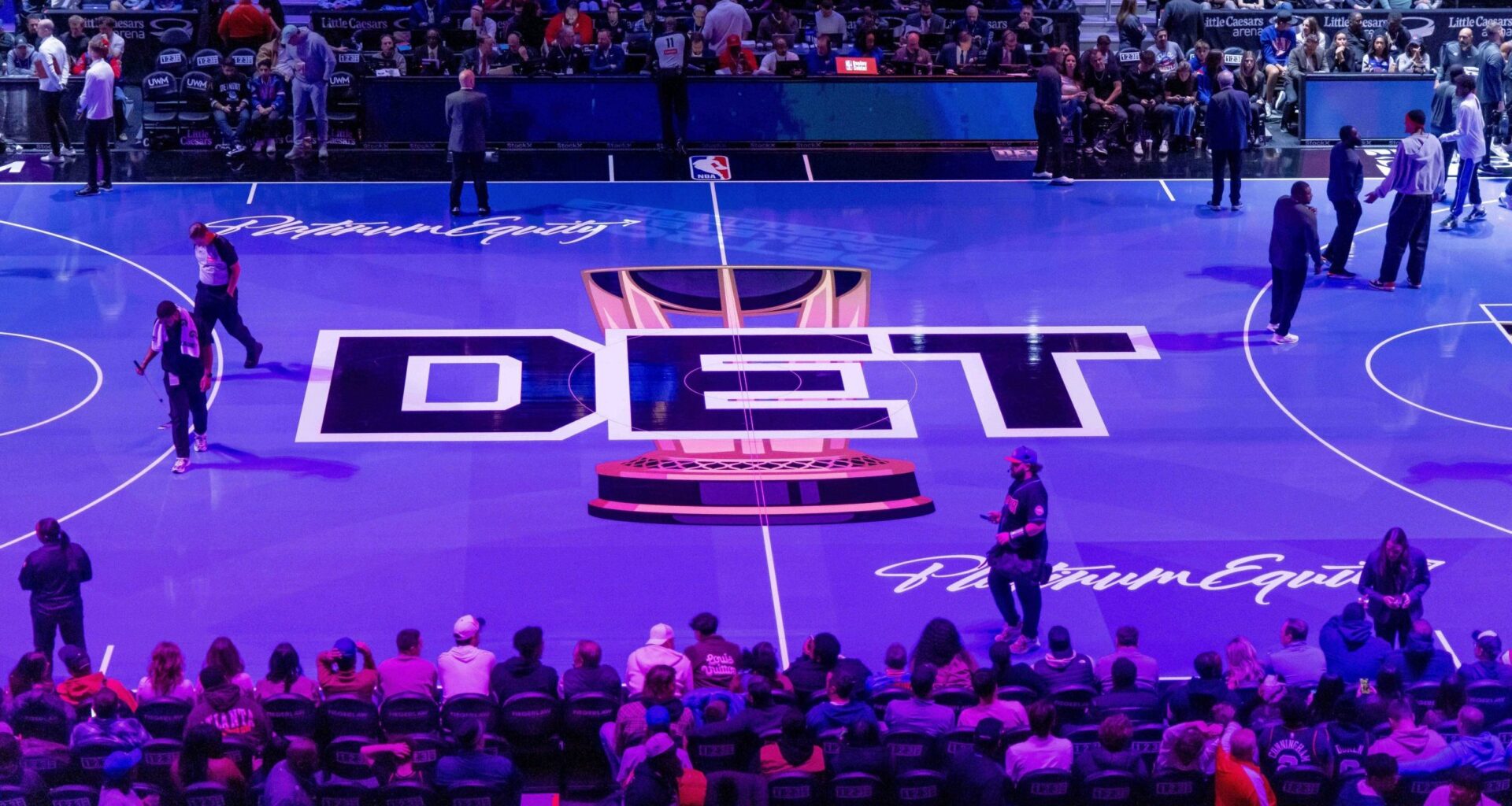
The NBA’s new television deals seem to be providing a boost to the NBA Cup.
According to the league, viewership for this year’s NBA Cup Group Play averaged 1.50 million viewers across ESPN, NBC, Peacock, and Prime Video, representing the most-watched group stage ever for the in-season event, which is in its third year, up 12% versus last year’s group stage. The league specifically highlighted its success throughout Thanksgiving week as being a boon for the event.
NBC’s Tuesday night Coast 2 Coast telecast, which featured regional coverage of the Orlando Magic-Philadelphia 76ers and Los Angeles Clippers-Los Angeles Lakers games, averaged 2.7 million viewers on NBC and Peacock, making it the most-watched NBA Cup Group Play night ever. The window represented a 122% year-over-year increase, though it is important to note that NBC’s viewership is an aggregate measure of each regional game, which makes it an apple-to-oranges comparison against TNT’s national broadcasts last season.
Wednesday night, ESPN’s NBA Cup tripleheader averaged 2.1 million viewers, up 54% versus the comparable night in 2024. 2.43 million viewers tuned in for the Minnesota Timberwolves-Oklahoma City Thunder game, which marks the most-watched pre-Christmas NBA game since 2019 (excluding Opening Night).
Prime Video was also able to capitalize on its Black Friday sports marathon, averaging 2.09 million viewers for its NBA Cup doubleheader, up 125% versus last season’s comparable window.
Of course, it’s important to note that this is the first year in which Nielsen’s new Big Data + Panel methodology is being used to measure these games. It’s also the first season to include Nielsen’s expanded out-of-home viewing measurements. Both changes serve to increase the viewership for live sports compared to prior years.
Overall, the league says that more than 40 million people in the U.S. tuned in for the NBA Cup during the group stage, up 90% versus last year.
National NBA viewership, including non-NBA Cup games, is up 66% across ESPN, NBC, Peacock, Prime Video, and NBA TV this season, per the league. That figure is skewed due to the many fewer games broadcast by NBA TV under the league’s new set of deals. Viewership for NBA TV games lag far behind those broadcast on other networks because they’re also shown on regional sports networks in the teams’ local markets. Eliminating a chunk of those games from the average can make the NBA’s viewership increase seem larger than it actually is.
Nevertheless, there’s no doubt that the NBA’s new deals are helping the league reach a broader audience.